If you have noticed more strands on your pillow, in the shower drain, or caught in your hairbrush lately, you are probably not imagining it. Persistent hair fall is one of the most common concerns bringing people to dermatology and trichology clinics, and the internet is full of conflicting advice about it. PRP therapy has become one of the most searched hair regrowth treatment options for people dealing with thinning hair, largely because it uses a patient’s own blood rather than synthetic drugs or surgery.
But what does PRP hair treatment actually do inside the scalp, and who is it genuinely meant for? This article walks through the science, realistic expectations, and the limits of the treatment so you can have an informed conversation with a specialist rather than rely on clinic marketing alone.
Table of Contents
What Is PRP Hair Treatment?
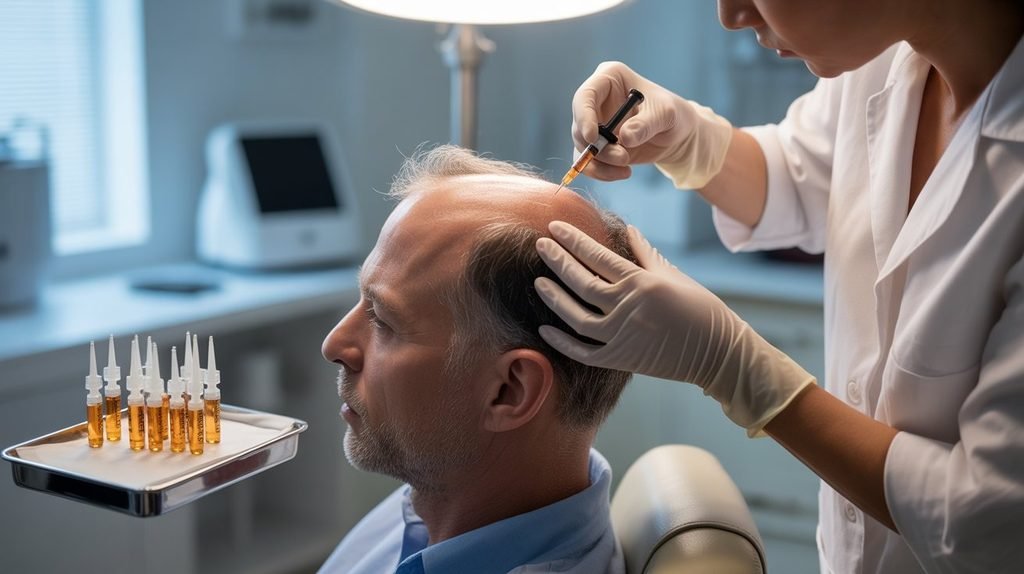
In short: PRP therapy involves drawing a small sample of your own blood, spinning it in a centrifuge to concentrate the platelets, and injecting this platelet-rich plasma into areas of the scalp affected by thinning. It is not a guaranteed regrowth mechanism, and outcomes depend heavily on the underlying cause of hair loss and the condition of the follicles that remain.
Platelet-rich plasma therapy is not new to medicine. It has been used for years in orthopedics, sports medicine, and wound healing, since platelets are rich in growth factors that support tissue repair. When this concentrated plasma is reintroduced into the scalp, the working theory is that it creates a more favorable environment for follicles that are still active but weakened.
How Does PRP Actually Help With Hair Loss?
Platelets release growth factors such as PDGF, VEGF, and TGF-beta when activated. These proteins support tissue repair and may improve blood supply to hair follicles, which could help follicles function more effectively during their growth phase. Some studies suggest PRP may help improve hair density in appropriate candidates, particularly in early to moderate androgenetic alopecia, though existing research varies in size and quality, and results can differ meaningfully between individuals.
It is worth being clear about what this mechanism does not do. PRP does not create new hair follicles, and it does not reverse hair loss in areas where follicles have already become dormant or scarred. Its role is better understood as supportive, helping follicles that are struggling to stay in their growth cycle, rather than generating hair where none currently grows.
Who May Benefit From PRP Hair Treatment?
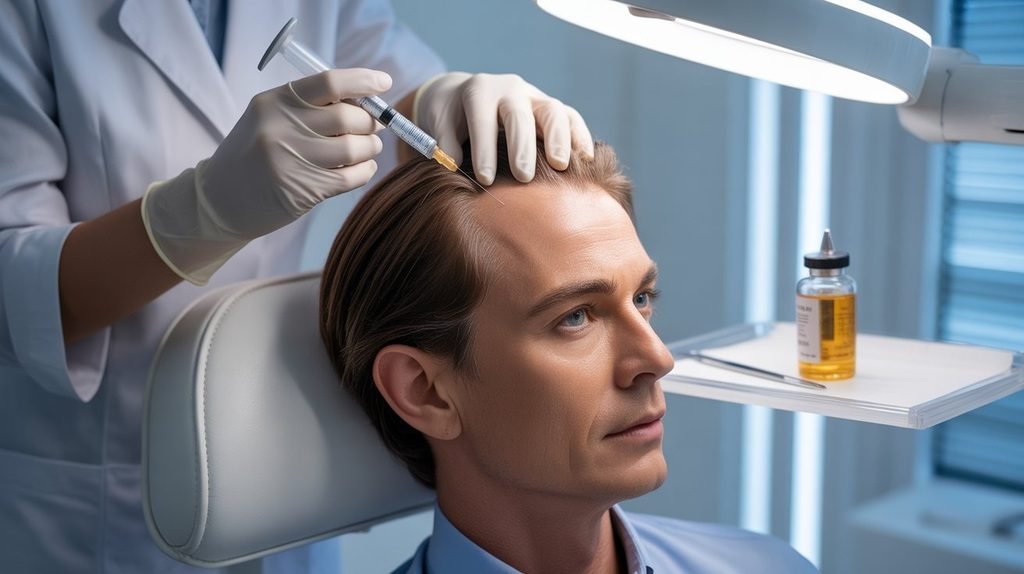
PRP tends to be considered for people who still have viable hair follicles but are experiencing progressive thinning. This typically includes early to moderate androgenetic alopecia (pattern hair loss) in both men and women, diffuse thinning linked to stress or hormonal changes, and cases where someone wants a non-surgical hair thinning solution alongside treatments such as topical minoxidil.
PRP is generally considered less useful for advanced baldness, where the scalp has little active follicle activity, or for scarring alopecia, where follicles have been permanently damaged. This is precisely why a proper scalp and blood evaluation matters before starting PRP for hair growth, rather than assuming it works for every pattern of hair loss. As a PRP treatment for hair thinning specifically, rather than complete baldness, it tends to be a more realistic fit.
What Happens During PRP Hair Treatment?
A typical PRP hair therapy session follows a fairly consistent process. The specialist first reviews your scalp condition, hair loss pattern, and relevant medical history. A small amount of blood, similar to a standard lab draw, is then taken from your arm and processed in a centrifuge that separates the plasma rich in platelets from other blood components.
The scalp is cleaned and, in many clinics, a topical numbing agent is applied to reduce discomfort. The concentrated plasma is then injected into the thinning areas using fine needles. A full session usually takes about 45 to 60 minutes, and most people return to regular activities the same day, though mild scalp tenderness for a day or two is common.
How Many PRP Sessions Are Needed for Hair Loss?
There is no universal number that applies to everyone, since this depends on the extent of thinning, the underlying cause, and how the scalp responds. Many practitioners recommend an initial course of four to six sessions spaced four to six weeks apart, followed by maintenance sessions every four to six months if results are being sustained. A qualified specialist should tailor this schedule after assessing your specific case rather than following a fixed template.
When Can You Expect Results From PRP?
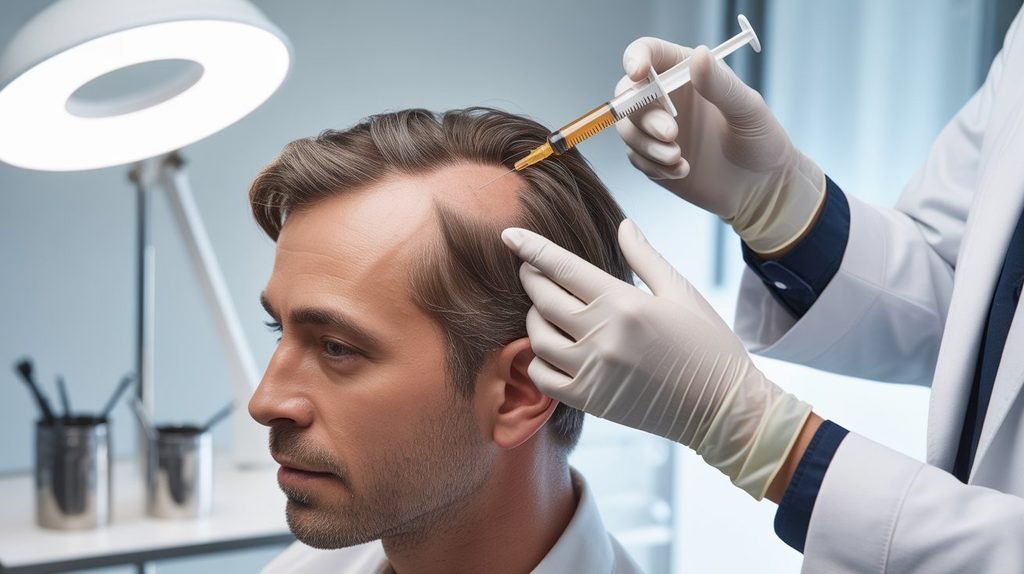
Patience matters here. Most people do not see a dramatic difference after one session. A reduction in daily hair fall is sometimes noticed within six to eight weeks, while visible improvements in density, when they occur, typically take four to six months of consistent sessions. Results can vary between individuals, and some people respond more noticeably than others depending on age, hormonal factors, and how advanced the thinning was before starting treatment.
Is PRP a Permanent Solution for Hair Loss?
No, and any source suggesting otherwise should be treated with caution. Hair loss caused by genetics, hormones, or chronic conditions does not stop simply because of a few PRP sessions. The underlying processes driving thinning continue in the background, which is why specialists recommend periodic maintenance sessions to sustain results rather than a one-time fix. PRP is best thought of as an ongoing supportive therapy, not a cure.
PRP Hair Treatment vs Other Hair Loss Treatments
It helps to see where PRP fits among other commonly used options, since no single treatment suits every type of hair loss.
These treatments are not always used in isolation. A specialist may combine PRP therapy with topical or oral treatments depending on what is driving the hair loss.
Is PRP Hair Treatment Safe?
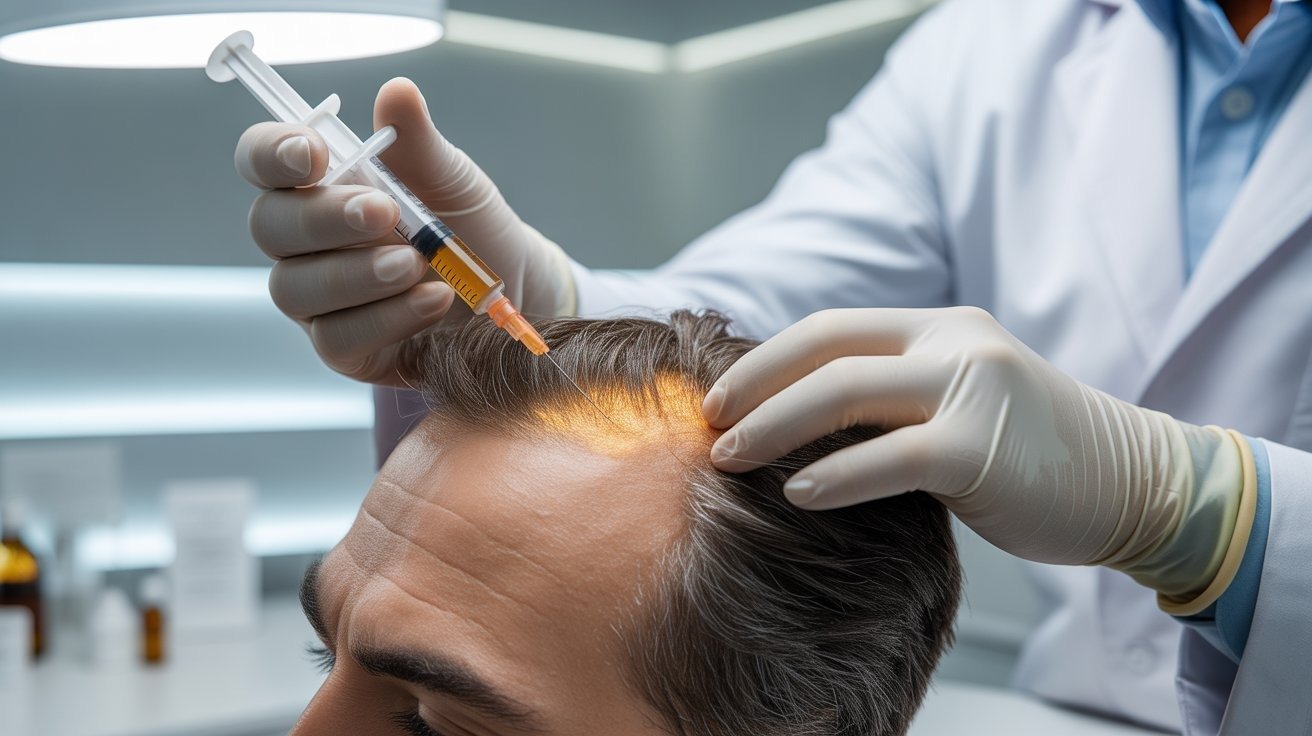
Because PRP uses a patient’s own blood, the risk of allergic reaction or disease transmission is low compared to treatments using external biological material. That said, it is a medical procedure and should only be performed by a trained professional using sterile equipment. Common, mild side effects include temporary redness, tenderness, or swelling at the injection sites, which usually resolve within a day or two. People with certain blood disorders, active scalp infections, or specific chronic conditions may not be suitable candidates, which is another reason a proper medical evaluation should come before treatment, not after.
What Should You Do Before PRP Treatment?
Before starting PRP therapy, it helps to have a clear diagnosis of what is actually causing your hair fall. Conditions such as thyroid imbalance, iron deficiency, PCOS, or telogen effluvium can all cause thinning that looks similar on the surface but requires different management. A specialist will typically review your medical history and current medications, particularly blood thinners, and may order basic blood tests before recommending a plan. Being upfront about your health history helps avoid complications and sets realistic expectations for what PRP can and cannot do.
PRP Hair Loss Treatment in Pune: Why Professional Assessment Matters
Pune’s hard water, pollution levels, and high-stress urban lifestyle are frequently cited by patients as contributing factors to hair thinning, though these are rarely the sole cause. Anyone considering PRP treatment in Pune should first undergo a proper scalp and diagnostic assessment, since hair loss can stem from genetics, nutritional gaps, hormonal shifts, or an underlying medical condition that PRP alone will not address. Self-diagnosing based on online research or word-of-mouth recommendations can lead to spending time and money on a treatment that was never suited to the actual cause. A qualified dermatologist or trichologist can determine whether PRP hair therapy is appropriate or whether a different approach would serve you better.
Why Choose Arnica Clinic for PRP Treatment in Pune?
If you are exploring PRP hair loss treatment in Pune, working with a clinic that prioritizes diagnosis over quick promises matters more than marketing alone. Arnica Clinic approaches hair loss through proper scalp and blood assessment before recommending PRP or any other treatment, so the plan you receive is based on your specific condition rather than a one-size-fits-all protocol.
At Arnica Clinic, specialists also set realistic expectations upfront, explaining what PRP can support and what it cannot, so patients are not left disappointed by outcomes that were never medically likely. For anyone comparing options for PRP treatment in Pune, that transparency, along with an experienced team, is worth prioritizing over clinics that promise guaranteed results.
Not sure if PRP is right for your hair fall?
A proper scalp and blood assessment is the only way to know for certain. Book a consultation with Arnica Clinic to get a diagnosis-first opinion before starting any hair loss treatment.
Book a ConsultationFAQs
Does PRP therapy hurt?
Most people describe mild discomfort rather than significant pain, especially when a numbing cream is applied beforehand. Scalp tenderness for a day or two afterward is common.
Can PRP be combined with other hair loss treatments?
Yes, PRP is often used alongside topical minoxidil or other therapies as part of a broader plan, depending on what a specialist recommends.
Is PRP suitable for women as well as men?
Yes, PRP hair therapy is used for both men and women experiencing diffuse thinning or early pattern hair loss, though suitability still depends on individual evaluation.
How soon will I know if PRP is working for me?
Most specialists suggest waiting three to four sessions, spanning a few months, before judging whether it is producing noticeable results for you.
Is PRP therapy expensive?
Cost varies by clinic, number of sessions required, and location. A specialist can provide an accurate estimate after assessing your case.
Conclusion
Persistent hair fall can be unsettling, and it is tempting to reach for whichever treatment seems most talked about online. PRP therapy does have a legitimate, evidence-supported role in supporting hair density for the right candidates, but it is not a guaranteed fix, and it works best when it is one part of a properly diagnosed treatment plan rather than a standalone solution chosen without assessment. If your hair fall has been ongoing for more than a few months, or if you are noticing visible thinning or widening partings, the most useful next step is a consultation with a qualified hair and skin specialist who can identify the actual cause before recommending PRP or any other therapy. Self-diagnosing from articles, including this one, is never a substitute for a proper in-person evaluation.
Medical Disclaimer
This article is intended for general informational purposes only and does not constitute medical advice. PRP therapy outcomes vary between individuals, and suitability depends on a proper diagnosis by a qualified healthcare professional. Please consult a certified dermatologist or trichologist before starting any hair loss treatment.