
If you have acne-prone or reactive skin, you have probably wondered whether Hydrafacial in Pune is worth trying or if it will make your breakouts worse. The short answer is that Hydrafacial can be safe and effective for most acne-prone and sensitive skin types. Still, results depend on your skin condition, the severity of your acne, and whether the treatment is customized by a qualified professional. This guide explains how Hydrafacial works, who it suits, when it should be postponed, and what a dermatologist wants you to know before you book a session.
This article is written to give you a clear, evidence-informed picture of the treatment, not a sales pitch. Suitability always depends on an individual skin assessment, so think of this as preparation for a more informed consultation rather than a substitute for one.
Table of Contents
What Is Hydrafacial and How Does It Work?
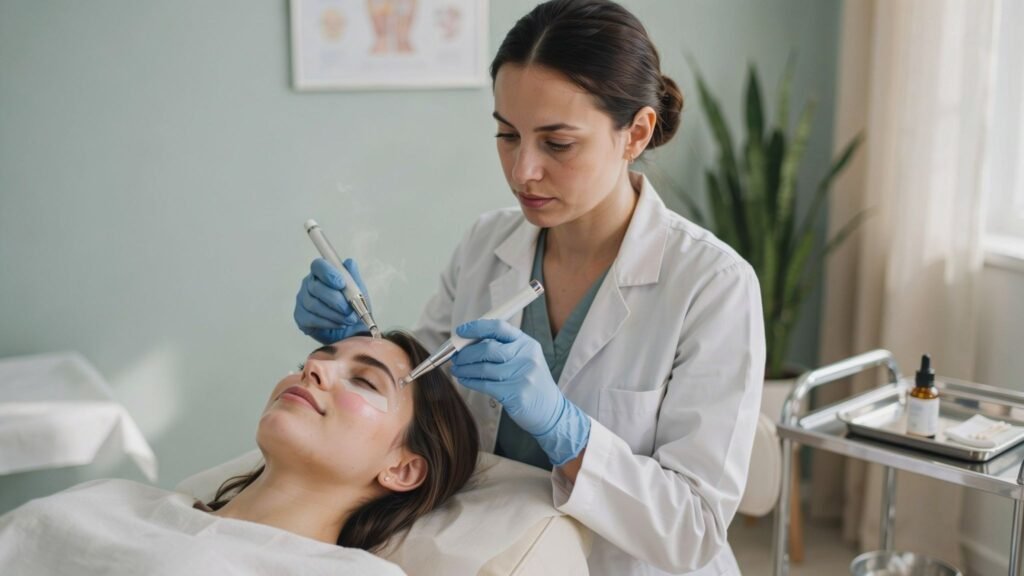
Hydrafacial is a non-invasive skin resurfacing treatment that uses a patented vortex-fusion device to cleanse, exfoliate, extract, and hydrate the skin in one session. Unlike manual facials, it relies on gentle suction and dermatologist-approved serums rather than aggressive scrubbing, which is one reason it is generally well tolerated on breakout-prone skin.
The treatment typically follows four steps:
- Cleanse and peel: a gentle exfoliation loosens dead skin cells and debris without harsh scrubbing.
- Extract: A vacuum-based tip lifts out oil, blackheads, and impurities from congested pores.
- Hydrate: nourishing serums with antioxidants, peptides, and hyaluronic acid are infused into the skin.
- Protect: a finishing layer of SPF or calming serum supports the skin barrier after the session.
Because each step can be adjusted, a skincare expert in Pune can modify suction strength, serum choice, and peel intensity based on whether your skin is oily, dry, sensitive, or actively breaking out.
Is Hydrafacial in Pune Good for Acne-Prone Skin?
Yes, Hydrafacial for acne-prone skin is generally considered a suitable option for mild to moderate, non-inflamed acne. The suction-based extraction step helps clear clogged pores, blackheads, and excess oil, while salicylic or glycolic acid boosters can help regulate oil production and reduce the buildup that leads to breakouts. The hydration step also supports the skin barrier, which is important because over-drying acne-prone skin often triggers more oil production and, ironically, more breakouts.
That said, Hydrafacial is not designed to treat active cystic or nodular acne, and it is not a replacement for prescription acne therapy. For moderate to severe acne, it works best as a complementary treatment alongside a dermatologist-guided plan, not as a standalone cure.
Is Hydrafacial Safe for Sensitive Skin?
In most cases, yes. Hydrafacial for sensitive skin can be adapted by lowering suction intensity, choosing milder acid concentrations, and using calming, barrier-repairing serums instead of stronger exfoliating boosters. Because the treatment does not involve needles, lasers, or aggressive peeling, it is generally considered gentler than many alternative resurfacing options.
However, sensitive skin varies widely from person to person. Anyone with a history of rosacea, eczema, or reactive skin should mention this clearly during consultation so the practitioner can adjust the protocol or recommend a patch test before a full session.
Who Is Hydrafacial in Pune Suitable For?
Hydrafacial is popular precisely because it can be tailored to a wide range of skin concerns rather than a single skin type. People who commonly benefit include:
- Teenagers and adults dealing with occasional or mild acne and congested pores.
- Individuals with oily or combination skin looking to manage excess sebum and clogged pores.
- People with dehydrated skin who need a hydration boost without heavy, pore-clogging products.
- Anyone with dullness, rough texture, or mild pigmentation looking for a gentle resurfacing option.
- Those exploring non-invasive alternatives to peels, microneedling, or laser treatments.
Even within these groups, the exact serums, extraction pressure, and peel strength should be adjusted to the individual. Two people with oily, acne-prone skin can still need very different protocols depending on how reactive their skin is, so a one-size-fits-all Hydrafacial is rarely the right approach.
What to Expect Before and After Your Session
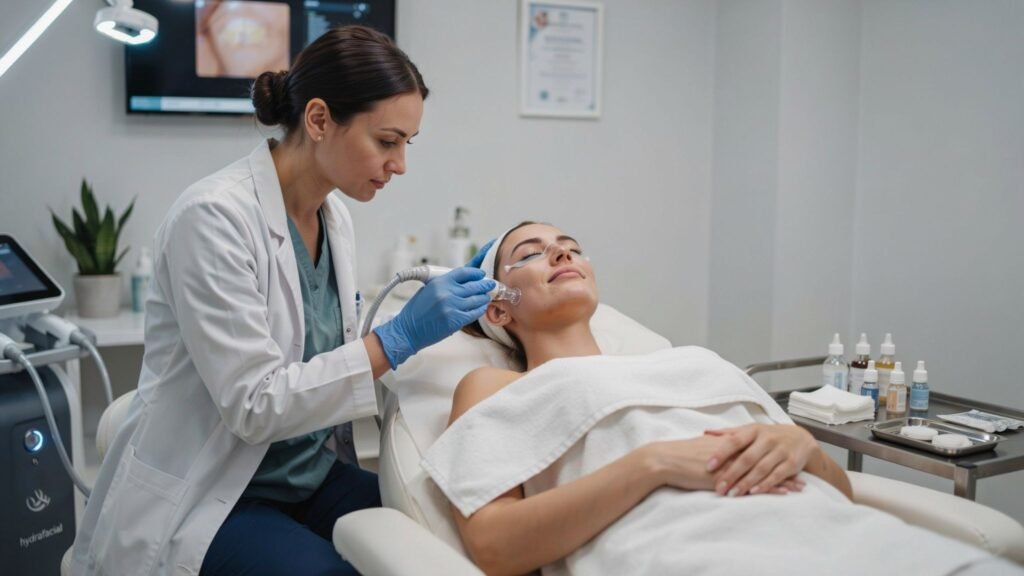
A good Hydrafacial experience starts before you even lie down for treatment. During consultation, a qualified practitioner should ask about your acne history, current skincare routine, any active medications such as retinoids or isotretinoin, and known sensitivities. This step matters as much as the treatment itself, since it determines which boosters and settings are safe for your skin.
Immediately after a session, it is common to see slightly plumper, more radiant skin with minimal redness that settles within a few hours. Most clinics recommend avoiding harsh actives such as retinoids or strong exfoliants for a day or two, using a gentle cleanser, and applying sunscreen diligently, since freshly treated skin can be marginally more sun-sensitive. These small aftercare steps help maintain results and reduce the already-low risk of irritation.
Myth vs Fact: Hydrafacial and Breakout-Prone Skin
Misinformation is common around facials and acne. Here is a quick myth-versus-fact breakdown.
| Myth | Fact |
|---|---|
| Hydrafacial causes breakouts. | When performed with sterile tips and skin-appropriate boosters, breakouts are uncommon. A brief purging phase can occasionally occur as clogged pores clear out. |
| Hydrafacial is only meant for dry or normal skin. | The treatment is customizable, which is why it also works for oily, acne-prone, combination, and sensitive skin when the right serums are used. |
| Hydrafacial can replace acne treatment. | Hydrafacial is a supportive, adjunct treatment. It does not replace dermatologist-prescribed therapy for moderate to severe acne. |
| The treatment is painful and needs recovery time. | Most people describe it as a comfortable, non-invasive experience with little to no downtime. |
| One session will clear acne permanently. | Results build with consistency and depend on skin type, acne severity, and a personalised plan from a professional. |
When Should You Postpone or Avoid Hydrafacial?
Hydrafacial is considered low-risk, but it is not appropriate for every skin condition at every point in time. It is generally advisable to postpone treatment if you currently have any of the following and to confirm suitability with a skincare expert in Pune beforehand:
| Generally Suitable For | Better to Postpone If You Have |
|---|---|
| Mild to moderate acne and congested pores | Active cystic or nodular acne flare-ups |
| Oily, combination, or dehydrated skin | Open wounds, cuts, or active sunburn |
| Dullness, mild pigmentation, and rough texture | Active cold sores or skin infections |
| Skin that needs regular hydration and maintenance | Recent use of isotretinoin (as advised by your doctor) |
| Teenagers and adults with occasional breakouts | An active rosacea or eczema flare |
If you are unsure which category applies to you, it is safer to get a professional skin assessment before booking rather than proceeding on assumption.
Can Hydrafacial Help With Acne Scars?
Hydrafacial primarily improves congestion, texture, and hydration rather than treating deep or pitted scarring directly. As part of Hydrafacial for Acne Scars discussions, most dermatologists position it as a supportive treatment that improves skin tone and smoothness, while deeper scarring is usually addressed through modalities such as chemical peels, microneedling, or laser resurfacing. A dermatologist can recommend whether HydraFacial alone is sufficient or whether it should be combined with other treatments for visible scarring.
How Often Should You Get a Hydrafacial?
Most people are advised to space sessions around four to six weeks apart, which roughly aligns with the skin’s natural renewal cycle. Those with active breakouts or heavily congested pores may be advised to start with a closer interval under professional supervision, then move to a maintenance schedule once the skin stabilizes. Frequency should always be personalized rather than fixed, since over-treating reactive or acne-prone skin can do more harm than good.
It also helps to track how your skin responds after each session. If breakouts, dryness, or sensitivity increase rather than improve over two or three sessions, that is a signal to revisit the protocol with your practitioner rather than continuing on the same plan by default.
Choosing the Best Hydrafacial in Pune
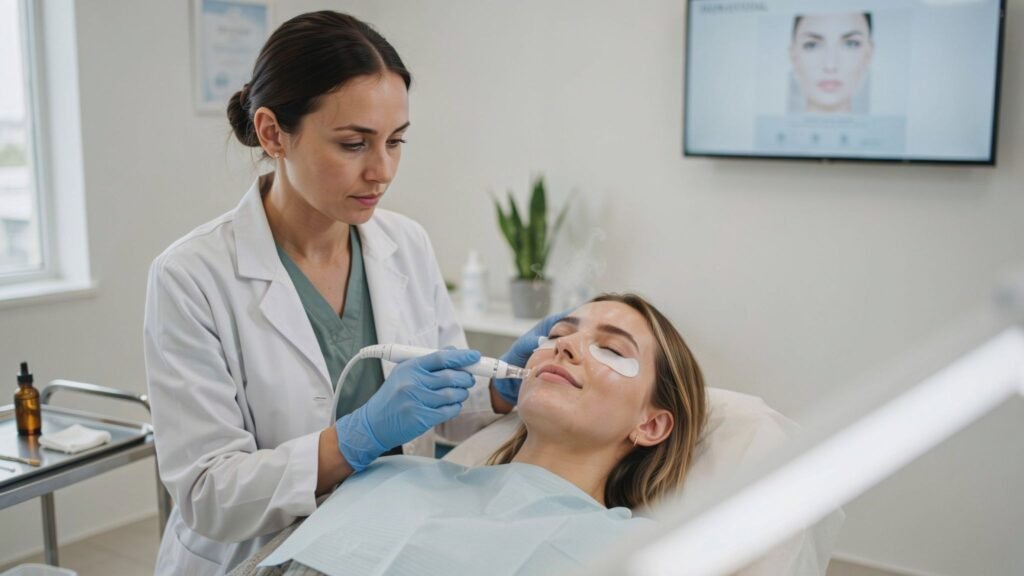
Not all Hydrafacial providers offer the same level of care. When comparing clinics for the best Hydrafacial in Pune, look for a few non-negotiables: a dermatologist-led or dermatologist-supervised setup, visible hygiene standards, genuine device and serum sourcing, and a proper skin consultation before treatment rather than a one-size-fits-all approach.
At Arnica Clinic, every Hydrafacial session begins with a skin evaluation so the serums, suction level, and peel strength are matched to your skin type, whether you are looking for general Skin Treatment in Pune or a more targeted acne treatment in Pune. This individualized approach is particularly important for acne-prone and sensitive skin, where a generic protocol can do more harm than good.
HydraFacial vs. Other Common Skin Treatments
Here is how Hydrafacial compares with two commonly considered alternatives.
| Feature | Hydrafacial | Regular Facial | Chemical Peel |
|---|---|---|---|
| Downtime | None to minimal | None | 1 to 5 days, depending on strength |
| Suitable for acne-prone skin | Yes, with customised boosters | Limited, mostly relaxation-focused | Yes, with a dermatologist’s guidance |
| Suitable for sensitive skin | Yes, with gentler settings and calming serums | Usually yes | Needs caution and patch testing |
| Deep pore cleansing | Strong, vacuum-based extraction | Basic, manual extraction | Minimal, works on skin surface layers |
Frequently Asked Questions
Is Hydrafacial good for acne-prone skin?
Yes, for most people with mild to moderate acne. It helps clear congested pores and manage oil, though active, inflamed, or cystic acne needs a dermatologist’s input first.
Can Hydrafacial cause breakouts?
It is uncommon when performed correctly with sterile tips and suitable serums. Some people experience a short purging phase as pores clear, which usually settles within a few days.
Is Hydrafacial safe for sensitive skin?
Generally, yes, since the intensity and serums can be adjusted. People with rosacea or highly reactive skin should flag this during consultation so the protocol can be modified accordingly.
How often should I get a Hydrafacial?
Most people schedule sessions every four to six weeks, though this can vary based on skin type, acne activity, and professional recommendation.
Can Hydrafacial help with acne scars?
It can improve overall texture and tone, but deep or pitted scars usually need additional treatments such as microneedling or peels alongside Hydrafacial.
Does Hydrafacial remove blackheads?
Yes, the vacuum-based extraction step is designed to lift out blackheads and trapped debris from pores more gently than manual extraction.
Is there any downtime after a Hydrafacial?
Typically none to minimal. Some people notice mild redness for a few hours, after which most return to their normal routine the same day.
Can teenagers get a Hydrafacial?
Yes, with parental consent and a proper skin assessment, since teenage skin often deals with active oil production and occasional breakouts that respond well to a customized protocol.
Can I wear makeup after a Hydrafacial?
It is usually best to wait several hours to let the skin absorb the serums and settle, though this can vary depending on your practitioner’s aftercare advice.
What is the cost of Hydrafacial in Pune?
Pricing for Hydrafacial in Pune varies depending on the clinic, the boosters used, and whether it is combined with add-on treatments. It is best to get an exact quote after an in-person skin assessment, since pricing tied to your specific skin needs is more accurate than a generic estimate.
Conclusion: Should You Try Hydrafacial in Pune?
For most people with acne-prone, sensitive, oily, or dehydrated skin, Hydrafacial in Pune can be a safe and effective option when it is customized to your skin type and delivered by a trained professional. It is not a guaranteed cure for acne or scarring, and it should be postponed during active flare-ups, infections, or certain medication courses. The most reliable way to know if it is right for you is a proper skin evaluation rather than guesswork.
If you are ready to find out whether HydraFacial fits your skin’s needs, the team at Arnica Clinic offers personalized consultations to assess your skin type, acne severity, and treatment goals before recommending a plan. Book a consultation today to get a professional opinion instead of relying on guesswork.
Disclaimer: This article is for general informational purposes and does not replace personalized medical advice. Treatment suitability depends on individual skin type, acne severity, and a professional evaluation. Please consult a qualified dermatologist before starting any new skin treatment.