
Hydrafacial has become one of the most requested skin hydration treatment options in Pune, largely because it promises visible glow with very little recovery time. But low downtime is not the same as risk-free for every skin type. This article covers hydrafacial side effects, why sensitive skin can react differently, and how professional assessment changes the safety picture.
What Is a Hydrafacial?
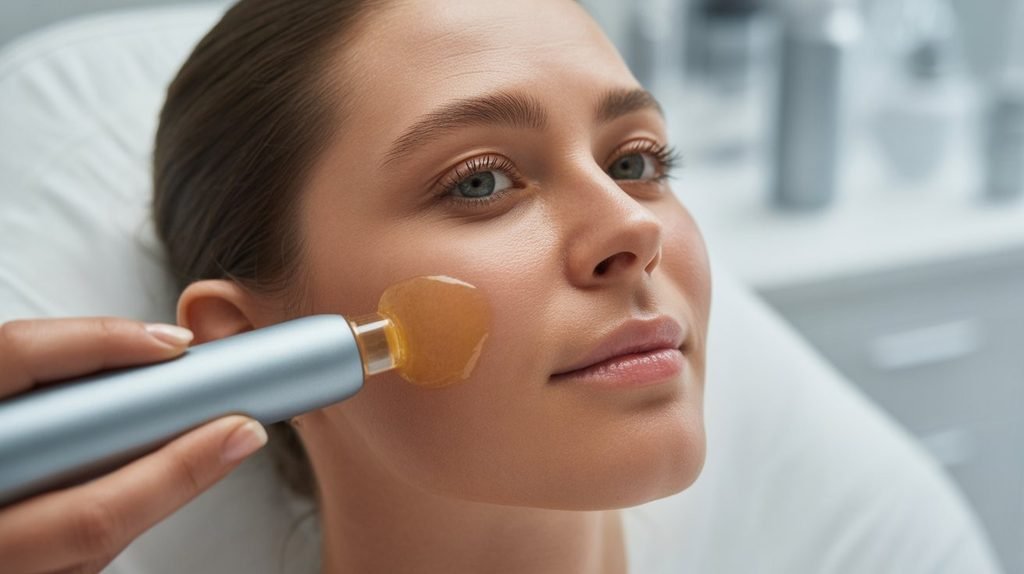
A HydraFacial is a multi-step Hydrafacial treatment combining gentle exfoliation, a mild chemical peel solution, painless extractions, and hydrating serum infusion through a vacuum-based device. Unlike manual facials, it avoids physical scrubbing or aggressive extraction pressure, which is part of why it is marketed as suitable for a wide range of skin concerns. The commonly cited Hydrafacial benefits include smoother texture, reduced pore congestion, improved tone, and an immediate hydration boost from serums built around ingredients like hyaluronic acid and antioxidants. As a skin hydration treatment, it works with the skin’s surface rather than against it, though each step can be adjusted for sensitivity.
Is Hydrafacial Safe?
This is the most searched question for a reason. So, is Hydrafacial safe? For the general population, it has a reasonably well-documented safety profile, since it avoids harsh manual extraction and uses adjustable suction and solution strength. But safety is not a blanket guarantee. Hydrafacial may be suitable for many people, but sensitive or reactive skin requires individualized assessment, particularly around peel solution strength and whether the skin has active inflammation, barrier damage, or recent procedures. A dermatologist or trained specialist can modify settings, swap serums, or recommend a patch test before your first session, changing the risk profile compared to a generic treatment.
What Are the Common Hydrafacial Side Effects?
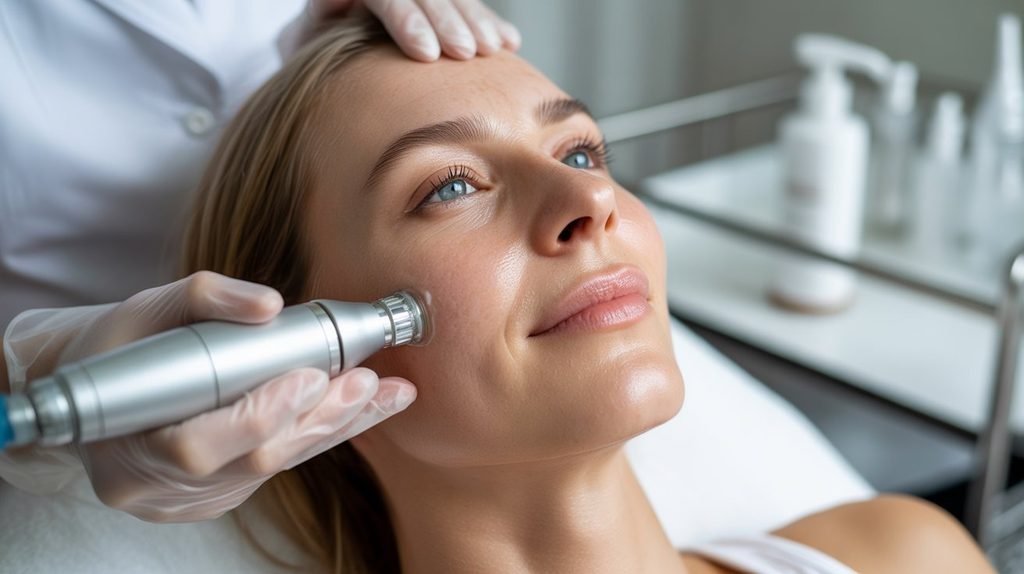
Most Hydrafacial side effects are mild and temporary. Commonly reported reactions include:
- Temporary redness or flushing, usually resolving within a few hours
- Mild tightness or a “just-cleansed” sensation
- Slight stinging during the acid-based exfoliation step
- Minor dryness if the hydration step is skipped or shortened
- Occasional small breakouts as pores clear out congestion
These effects are generally part of a normal post-treatment response rather than a complication, though intensity and duration vary by person. Results depend heavily on skin type, current condition, and the protocol used.
Hydrafacial Side Effects on Sensitive Skin
Sensitive skin does not always react the same way as normal or oily skin, and this is where most confusion around Hydrafacial side effects comes from. On reactive or thin skin barriers, the same peel solution that feels like a mild tingle for one person may cause visible redness, warmth, or burning that lasts longer than expected. Skin already compromised by eczema, rosacea, recent sun exposure, or over-exfoliation is more likely to show prolonged flushing afterward. This does not mean sensitive skin should automatically avoid treatment, but the standard protocol is rarely the right starting point.
Is Hydrafacial Good for Sensitive Skin?
Hydrafacial for sensitive skin can work well when the protocol is adjusted rather than applied at standard strength. Many providers offer a lighter version that removes the stronger acid steps, shortens suction intensity, and focuses more on hydration than exfoliation. When these adjustments follow a proper assessment, Hydrafacial for sensitive skin can be a reasonably comfortable option. Without adjustment, sensitive skin types face a higher chance of temporary irritation, which is why a consultation before booking matters more here than for normal or resilient skin.
When Should You Avoid or Postpone a Hydrafacial?
Postponing treatment is the safer choice in these situations:
- Active acne breakouts, open wounds, or active skin infections
- Recent chemical peels, laser treatments, or retinoid use within the last few days
- Active eczema or rosacea flare-ups
- Sunburned or freshly sun-exposed skin
- Known allergy to any ingredient in the serums used
- Pregnancy, where certain acid concentrations may need to be avoided as a precaution
If any apply, a short conversation with a specialist about timing beats proceeding and hoping for the best.
Can Hydrafacial Cause Breakouts or Irritation?
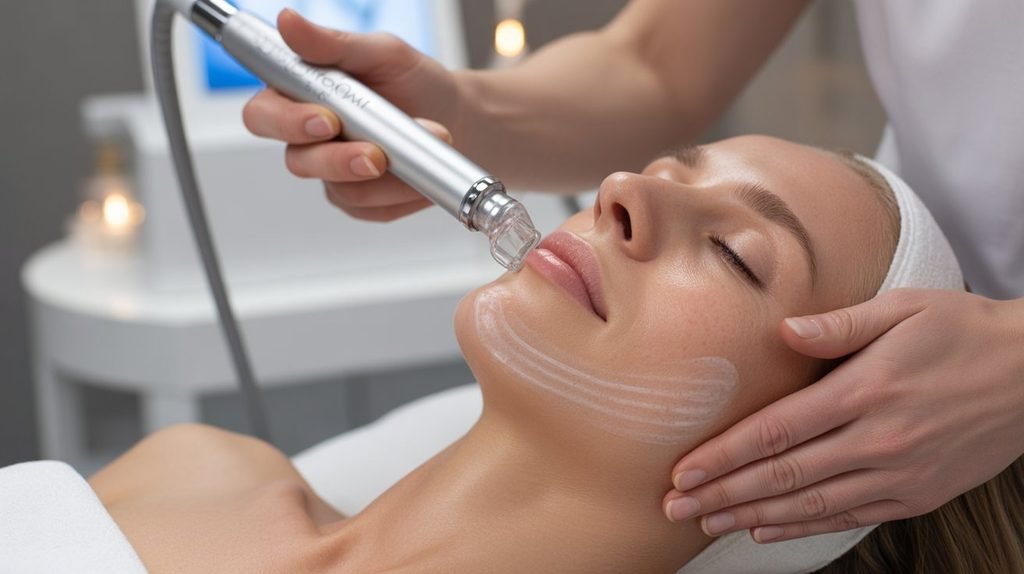
Occasionally, yes. Because the treatment clears congestion and oil sitting deeper in the pores, some people notice small, short-lived breakouts in the day or two afterward as this material surfaces. This differs from an allergic reaction or irritation caused by a serum ingredient, which tends to show up as redness, itching, or a rash rather than typical pimples. Distinguishing the two matters, since purging usually settles on its own, while irritation from a peel that is too aggressive for your skin may need a clinic follow-up.
How Much Facial Downtime Does Hydrafacial Have?
One reason this treatment is popular before events is minimal HydraFacial downtime. Most people return to normal activities immediately, with only mild redness fading within a few hours. For sensitive skin, that window can stretch slightly longer, sometimes into the next day, particularly if the peel step was not adjusted for lower tolerance. Makeup can usually be applied a few hours later once redness has settled, though it is worth checking with your provider if your skin tends to react strongly to new products.
Related Read
How HydraFacial Works: Step-by-Step Guide for Pune Clients →Curious what actually happens during the treatment? This guide breaks down every step, from cleansing to hydration infusion.
How to Prepare for a Hydrafacial if You Have Sensitive Skin
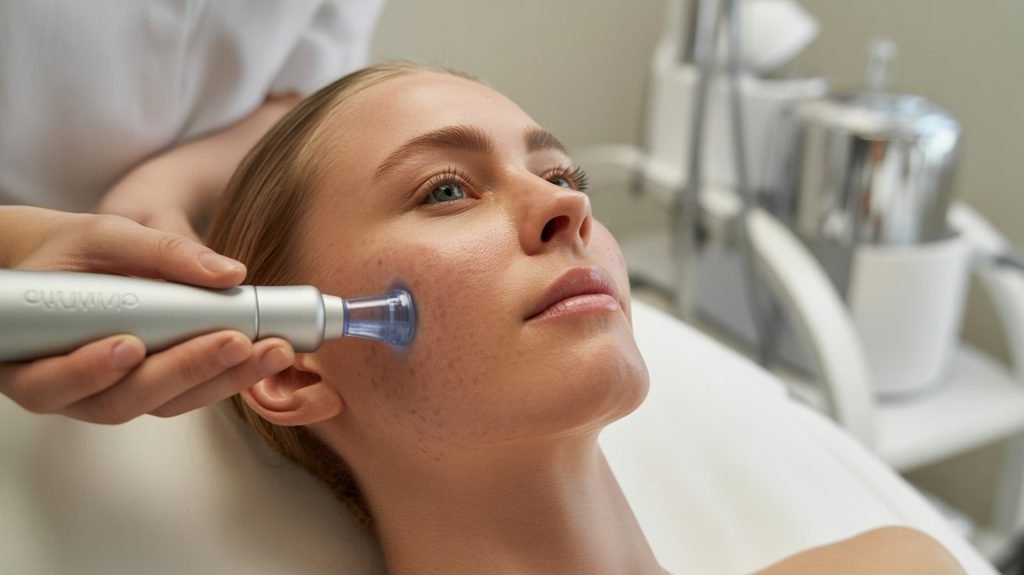
A few steps can lower the chance of an uncomfortable reaction:
- Avoid retinoids, exfoliating acids, or scrubs for 3 to 5 days before your appointment
- Skip other in-clinic procedures for at least a week prior
- Inform your provider about any known allergies, current medications, or skin conditions
- Ask whether a patch test is appropriate for your skin history
- Avoid sun exposure or tanning immediately before your session
Sharing your full skin history before treatment gives the provider what they need to adjust the protocol rather than applying default settings.
Hydrafacial Aftercare for Sensitive Skin
Proper Hydrafacial aftercare plays a bigger role in outcomes than many expect, especially for reactive skin. In the first 24 hours, avoid harsh cleansers, active ingredients like retinol or vitamin C serums, and sun exposure without SPF. A gentle, fragrance-free moisturizer and mineral sunscreen are usually sufficient. Avoid picking at congested areas, and hold off on other facial treatments, waxing, or threading for a few days. If skin still feels warm or tight the next morning, a bland moisturizer and time are usually enough, but persistent discomfort is worth mentioning to your clinic.
When Should You Contact a Skin Specialist After a Facial?
Most post-treatment reactions settle within a day. Reach out to your provider if you notice worsening swelling, blistering, intense burning that does not ease with a cool compress, or a rash spreading beyond the treated area. These are not typical outcomes, but sensitive skin carries a slightly higher chance of an atypical response, and a quick check-in is a reasonable step rather than an overreaction.
Hydrafacial vs Regular Facial for Sensitive Skin
| Feature | Hydrafacial | Traditional Facial |
|---|---|---|
| Technique | Vacuum-based exfoliation and extraction | Manual extraction and massage |
| Customization | Adjustable suction and solution strength | Limited to product selection |
| Typical downtime | Minimal, often same-day | Varies, can include more redness |
| Suitability for sensitive skin | Possible with adjusted protocol | Depends on products and technique used |
| Hydration step | Built into the treatment | Depends on the facial chosen |
Neither option is universally better for sensitive skin. The right choice depends on your skin’s current condition and past reactions to treatment, best assessed in person rather than from a chart alone.
Hydrafacial Treatment Near Pune: Why Professional Assessment Matters
If you are searching for Hydrafacial treatment near Pune, it helps to know that not every clinic adjusts the treatment for sensitive or reactive skin by default. A standardized protocol works fine for average skin, but people with dry, acne-prone, or easily irritated skin usually get better outcomes when the provider reviews their skin history before switching on the device. When people look for Hydrafacial in Pune or Hydra facial in Pune, the deciding factor should not just be price or proximity, but whether the clinic offers a real consultation and is willing to modify the protocol rather than running a fixed routine on everyone.
Why Choose Arnica Clinic for Hydrafacial in Pune?
Arnica Clinic approaches Hydrafacial in Pune with a consultation-first process rather than a walk-in-and-start routine. Before any session, the team reviews your skin type, current concerns, and history of sensitivity or reactions, then adjusts peel strength, suction intensity, and serum selection accordingly. For sensitive, dry, or acne-prone skin, Arnica Clinic can modify the standard protocol to reduce the likelihood of prolonged redness or irritation, rather than applying the same settings used for resilient skin.
This individualized approach does not promise a reaction-free experience for every client, but it does mean the treatment plan is built around your skin rather than a generic template. If you are comparing options in the city, Arnica Clinic’s emphasis on assessment before treatment is a meaningful point of difference worth asking about.
Considering a Hydrafacial in Pune?
Book a consultation with Arnica Clinic to have your skin assessed before your Hydrafacial treatment, so the protocol is adjusted to your skin type from the start.
Book Your ConsultationFAQs
Is Hydrafacial safe for sensitive skin?
It can be, provided the protocol is adjusted for your skin type after consultation. Standard-strength treatment on unassessed sensitive skin carries a higher chance of temporary irritation.
What are the most common Hydrafacial side effects?
Mild redness, tightness, and occasional stinging during the peel step, usually resolving within a few hours.
How long does HydraFacial downtime usually last?
Little to no downtime beyond a few hours of mild redness for most people. Sensitive skin may take slightly longer to settle.
Can I wear makeup right after a Hydrafacial?
Generally yes, once initial redness has faded, though check with your provider if your skin reacts strongly to new products.
What Hydrafacial aftercare steps matter most for sensitive skin?
Gentle cleansing, avoiding active ingredients for 24 hours, consistent SPF, and skipping other facial treatments for a few days.
Conclusion
Hydrafacial can be a genuinely low-downtime option for many people, and the commonly cited Hydrafacial benefits, hydration, smoother texture, and minimal recovery time, are part of why it remains popular in Pune. But sensitive, dry, acne-prone, or easily irritated skin needs a more careful approach than a standard protocol. Understanding the possible Hydrafacial side effects, knowing when to postpone treatment, and choosing a provider that assesses your skin first are what actually influence your outcome. If you are exploring Hydrafacial treatment near Pune, treating the consultation as seriously as the treatment itself is the most reliable way to reduce avoidable irritation.
Medical Disclaimer
This article is intended for general informational purposes only and does not constitute medical advice. Individual skin reactions vary, and suitability for any facial treatment should be confirmed through an in-person consultation with a qualified dermatologist or skin specialist. If you experience persistent or worsening symptoms after any facial treatment, seek professional medical attention promptly.