
Hair transplantation has emerged as a good and durable treatment for hair loss. The discovery, however, is that the success of the procedure does not solely depend on the operation procedure but also heavily depends on how well you stick to the process of recovery. With the proper aftercare, it comes out faster, improves hair growth, and leads to long-term satisfaction.
If you’ve recently undergone or are planning a hair transplant treatment in Pune, understanding the recovery phase is crucial. We will discuss recovery tips supported by experts, who are the best hair treatment clinic in Pune, in this blog to enable you to get maximally positive results.
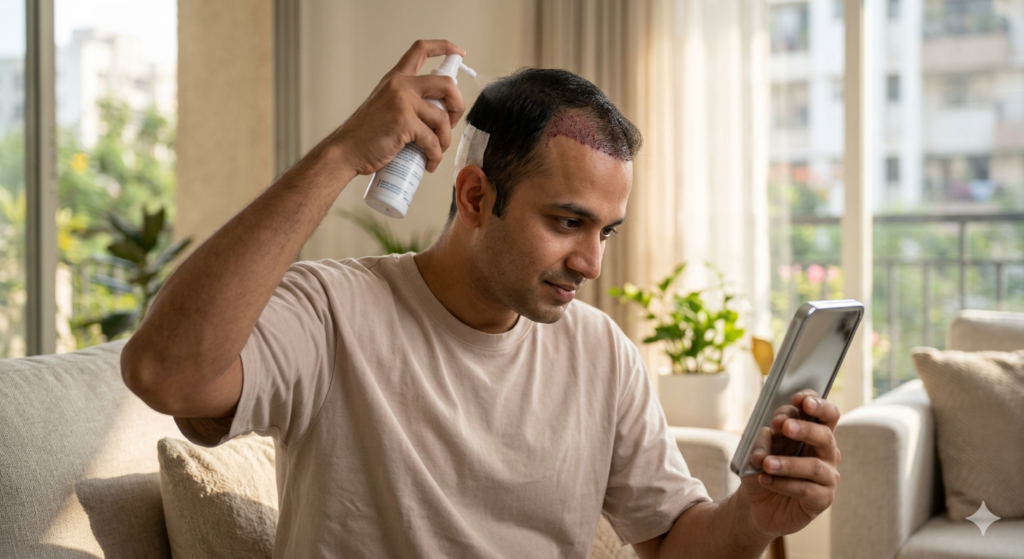
The Importance of Hair Transplant Recovery
Most individuals judge that when the work is carried out, it is over. As a matter of fact, recovery is critical to the success of your transplant. The new hair follicles transplanted are fragile, and they need to be taken care of so that they end up looking natural.
The right recovery practices will assist in the following ways:
- Text only (Prevention of infections and complications)
- Promote healthy hair growth
- Lessen the distension and pain.
- Ensure long-lasting results
After Hair Transplant: What to Expect.
There is a need to understand how the process of healing appears before plunging into the tips to aid in the recovery process.
- First 2-3 days: slight swelling, erythema, scab promotion.
- 1 week: The scabs start falling off on their own.
- 2-3 weeks: Transplanted hair can shed (a normal ability referred to as shock loss).
- 3-4 months: The growth of new hair starts.
- 6–12 months: Showing complete results.
This is why being psychologically ready for these phases will make you patient and consistent regarding aftercare.
How Long Does Hair Transplant Recovery Take?
Hair transplant recovery is a gradual process that varies from person to person. While the initial healing of the scalp usually takes about 7–10 days, complete recovery and visible hair growth can take several months. Most patients notice new hair growth starting around the third or fourth month, with full results appearing between 6 and 12 months. If you undergo a hair transplant treatment in Pune at a trusted clinic, following proper aftercare can significantly improve both healing time and final results.
Tips to Speed Up Healing After Hair Transplant
Speeding up recovery after a hair transplant requires a combination of proper care and healthy habits. Staying hydrated, eating a balanced diet rich in protein and vitamins, and avoiding smoking or alcohol can support faster healing. It’s also important to follow your doctor’s instructions closely and use only prescribed products. Choosing the best hair treatment clinic in Pune ensures you receive expert guidance throughout your recovery. Simple practices like gentle washing and avoiding sun exposure can make a noticeable difference in how quickly your scalp heals.
The Top Tips for Hair Transplant Recovery
1. Take the Advice of Your Physician
The greatest thing to do is to incorporate the post-procedure instructions given by your clinic in order to follow them carefully. These directions are individualized depending on your scalp state and the type of treatment.
It should not be used at home during the recovery phase involving experimentation with home remedies or unverified products.
2. Wash Your Head (However, Softly)
It is necessary to take care of scalp hygiene, but carefully.
- Take the prescribed shampoo only.
- Do not apply direct pressure of water to the scalp.
- Pat dry instead of rubbing.
Washing that is not done properly may destroy the fresh grafts; hence, be very gentle.
3. No Scalp Touching or Scratching
There is general itchiness during the healing process, but scratching will loosen grafts and cause infections.
Instead:
- Apply remedial sprays or lotions.
- Have your head constantly moisturized.
The most important thing in this stage is to be patient so as to secure your results.
4. Sleep in the Right Position
The position of sleep has a larger influence than some may think.
- The first couple of nights should have you holding your head high.
- It should use additional pillows or a neck pillow.
- Sleeping on the stomach should be avoided.
This will prevent swelling, and it will avoid the slip in the area of treatment.
5. Avoid Intense Physical Exercises
Vigorous exercises may raise the blood pressure and influence the recovery.
Avoid for at least 10–14 days:
- Gym workouts
- Running or sports
- Heavy lifting
Light exercises are alright, but anything that results in sweating must be avoided in the beginning.
6. Sun Protection of your Scalp
The sun may produce direct effects and burn delicate scalp tissues and delay the healing process.
- Wear a loose cap in case you go outside.
- Avoid peak sun hours.
- Should not be used on the scalp without recommendations.
Of particular importance is this in such cities as Pune, where the sun can be very harsh.
7. Avoid Alcohol and Smoking
Alcohol, as well as smoking, may disrupt blood flow and slow healing.
- Stay off alcohol for a week.
- Do not smoke as much as possible.
Enhanced blood circulation implies that the follicles transplanted get the right nutrients.
8. Patience in Baldness of the Head
When the hair that has been transplanted begins to fall off, that is one of the most worrying stages for the patients. This is completely normal.
It is referred to as “shock loss” and occurs a few weeks following the surgery. The hair falls off, although the follicles are intact, and it will grow much stronger.
Knowledge about this process will help you to remain calm and have faith in the process.
9. Maintain a Healthy Diet
Nutrition is very crucial with regard to recovery and hair growth.
Include:
- Foods containing high amounts of protein (eggs, lentils, fish).
- Vitamins and minerals (fruits, green leaves)
- Plenty of water
A proper diet enhances a quicker recovery process and healthier hair development.
10. Nurse Follow-Up Appointments
The frequent check-ups are conducted so that your doctor can check your progress and deal with any concerns promptly.
Do not skip:
- Scheduled follow-ups
- Prescriptions that are recommended.
This is done during these visits that make sure that your recovery is proceeding well.

Among the Common Errors to Make After a Hair Transplant are the following:
Despite their good intentions, patients tend to commit errors that may impact outcomes. Avoid these common errors:
- Showering too frequently and too brutally.
- Wearing tight headgear or helmets.
- Ignoring itching and scratching the scalp
- Going back to the workouts prematurely.
- Working with untested hair care products.
These errors can be greatly reduced by being aware of them.
Signs Your Hair Transplant is Healing Properly
Recognizing the signs of proper healing can give you confidence during the recovery phase. Reduced redness, minimal swelling, and the natural shedding of transplanted hair within a few weeks are all normal indicators. Over time, you’ll notice the scalp returning to its usual texture, followed by new hair growth in the treated areas. Patients who undergo hair transplant treatment in Pune at reputable clinics often experience a smooth recovery when they follow aftercare guidelines carefully, ensuring healthy and natural-looking results.
When to Contact Your Doctor
Although the majority of the symptoms of recovery are normal, some signs should be considered by a doctor:
- Excessive swelling or pain
- Persistent bleeding
- Signs of infection (pus, fever)
- Extreme itchiness or aggravation.
In the event of these being noticed, use your clinic immediately as an advisory.
Why Choose a Professional Clinic for Hair Transplant
The selection of the appropriate clinic is equally significant to recovery tips. A trusted clinic ensures:
- Advanced techniques
- Experienced specialists
- One-on-one post-discharge counseling.
- Hygienic and safe procedures.
Using the best hair transplant clinic in Pune is not only going to enhance the outcome, but you will also have peace of mind in the process.
Final Thoughts
Hair transplant recovery is a journey that requires care, patience, and consistency. While the procedure lays the foundation, your aftercare routine determines how successful the results will be.
If you’re considering or have already undergone a hair transplant treatment in Pune, following these expert tips from this site can make a significant difference in your outcome. From gentle scalp care to maintaining a healthy lifestyle, every step contributes to achieving natural, long-lasting hair growth.
Conclusion
Healing up after a hair transplant does not necessarily have to be a complex process, but it needs to be approached in the right manner. With the help of professional advice, by avoiding typical pitfalls, and by being patient in the process of every stage, you will be able to achieve the maximum possible outcome.
Arnica Clinic has focused on the idea that less-than-perfect aftercare and expert treatment are the keys to enhancing the success of the hair restoration process. You are sure that you will get good results and qualified help when you take the road that leads to self-confidence and healthy hair when you have a good name in Pune.