
If your skin looks shiny by afternoon, your pores seem to stretch a little wider every year, and your complexion feels tired no matter how much water you drink, you are dealing with one of the most common skin combinations walking into clinics across the city. A carbon facial for oily skin has become a popular answer to this exact combination because it targets oil, pore appearance, and dullness in a single low-downtime session. But is it genuinely suited to your skin or simply a trending name?
This guide explains how the treatment works, what it can realistically do for an open-pore treatment and skin tone correction, and where its limits lie, so you can decide whether a Carbon facial in Pune is worth booking.
Why Does Oily Skin Make Pores Look Bigger?
Oily skin produces more sebum than the surface can shed cleanly. That extra oil mixes with dead skin cells and everyday grime, and the mixture settles inside the pore opening, making pores appear more noticeable. Over time, pores in oilier zones, typically the nose, forehead, and chin, start looking more visible than pores elsewhere. This is less about pore count changing and more about what is sitting inside them, which is why a useful open-pore treatment usually needs to address oil production alongside the pore itself.
What Is a Carbon Facial?
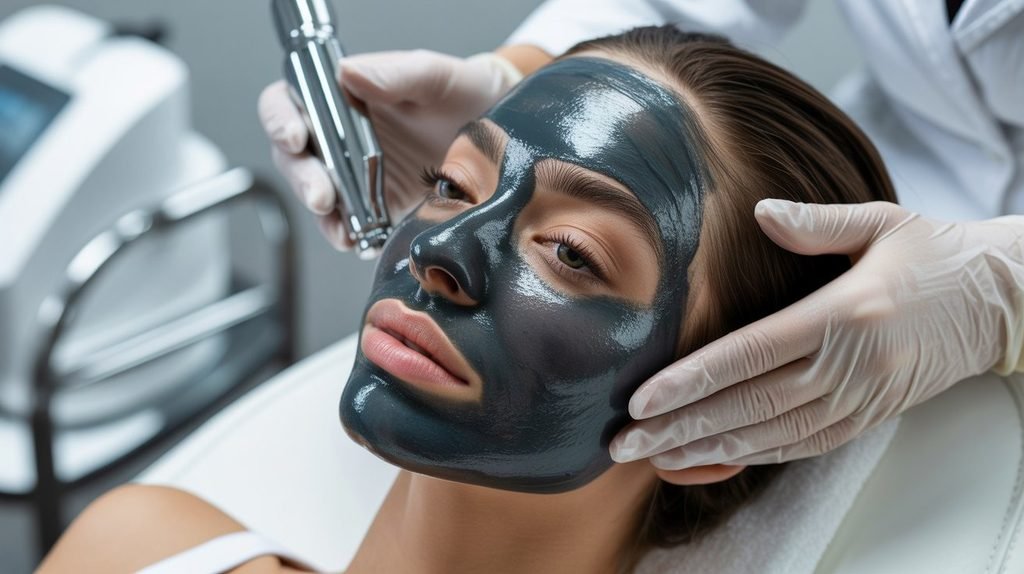
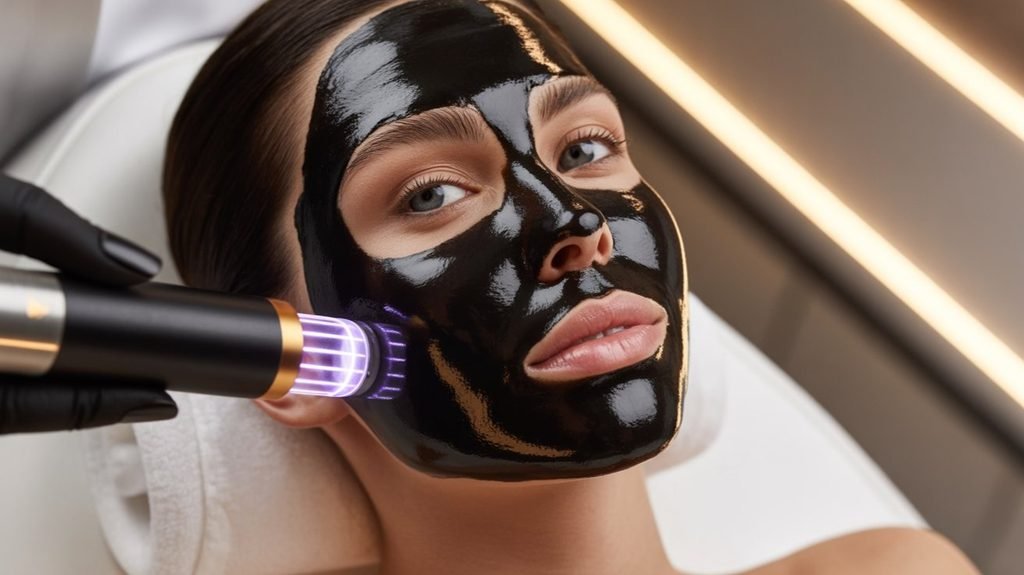
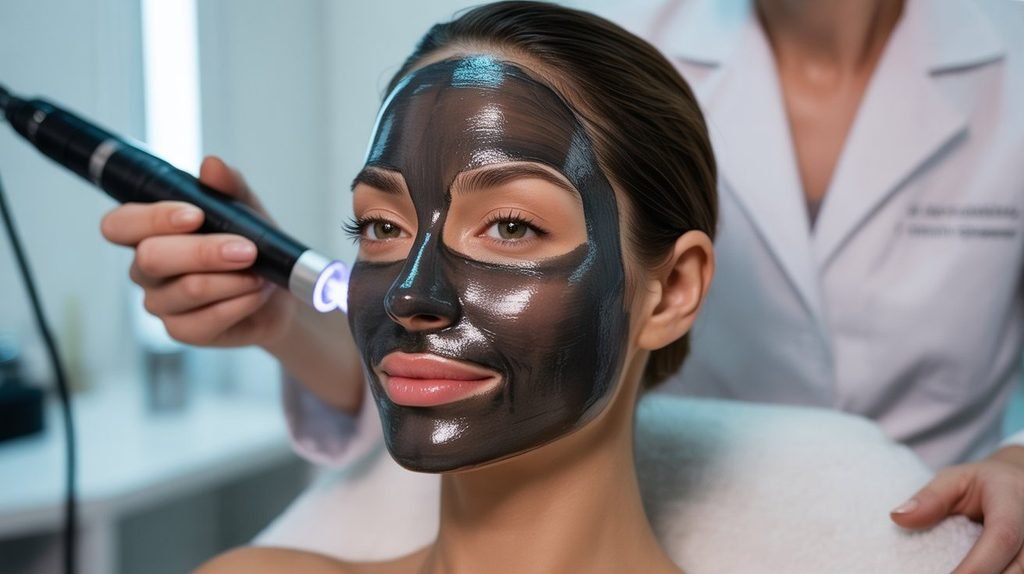
A carbon facial, sometimes called a Carbon peel treatment in Pune or a “charcoal peel,” pairs a thin layer of medical-grade carbon paste with a laser pass. The carbon settles into the pores and works as a light-absorbing target, while the laser interacts with the carbon layer, helping remove the carbon along with surface impurities and debris. Unlike a manual scrub or a basic clay mask, this carbon laser treatment reaches slightly deeper into the pore without cuts, needles, or an extended recovery period.
How Do Carbon Facials for Oily Skin Work?
For oily skin specifically, the carbon paste binds to excess surface oil and pulls it toward the pore opening as it dries. When the laser passes over this layer, the heat vaporizes the carbon and the oil clinging to it, while also delivering a mild, controlled signal to the upper skin layers that can support collagen renewal. This dual action is why the carbon facial for oily skin approach is often chosen when oiliness, congestion, and dullness show up together rather than as isolated concerns.
Can Carbon Facial Help Control Excess Oil?
A carbon peel for oily skin can help manage visible shine in the short to medium term. Removing built-up oil from the pores gives an immediate matte effect, and repeated sessions may help calm overactive sebaceous glands to some degree. That said, an oil control facial works alongside your skin’s natural oil production, not against your genetics or hormones. It manages shine and congestion rather than permanently changing oily skin as a skin type.
Can Carbon Peel Reduce the Appearance of Open Pores?
A carbon peel for open pores works mainly by clearing what is stretching the pore from within, oil, dead skin, and debris, and by encouraging mild collagen support around the pore lining. This can make pores look noticeably tighter right after a session. What it cannot do is permanently shrink the pore’s underlying structure, since pore size is largely determined by genetics, age, and skin thickness. Think of it as reducing what is visually magnifying the pore, not resizing the pore itself.
Can Carbon Facial Improve Dull or Uneven Skin Tone?
Yes, within limits, and this distinction matters. Much of the dullness seen in oily skin comes from a buildup of dead skin cells, trapped oil, and surface debris that scatters light unevenly across the face. Clearing this buildup can genuinely support skin tone correction and give a fresher appearance within a day or two.
However, dullness and mild unevenness are not the same as every type of pigmentation disorder. Conditions such as melasma, post-inflammatory hyperpigmentation, or deeper sun-induced pigmentation have different underlying causes and need a proper diagnosis before any treatment is chosen. A carbon facial does not permanently correct skin tone, and it does not remove all pigmentation. If you notice persistent dark patches or blotchiness that does not fade with basic skincare, the cause should be identified by a skin doctor before deciding on a treatment path, since surface dullness and a diagnosed pigmentation condition often call for different approaches.
Is Carbon Facial a Form of Laser Skin Resurfacing?
A carbon facial is a mild, surface-level form of laser skin resurfacing rather than a deep or ablative one. It works on the outermost skin layers, exfoliating and mildly stimulating the skin underneath, without the extended redness associated with stronger resurfacing lasers. This is why it suits people who want visible improvement without several days of downtime, though results are gentler and typically need repeat sessions rather than a single fix.
What Are the Benefits of a Carbon Facial for Oily Skin?
The main benefits reported include:
- Deep pore cleansing, as the carbon binds to oil and impurities before the laser lifts them out.
- Gentle exfoliation of dead skin cells, smoothing surface texture almost immediately.
- Short-term oil control and a visibly reduced appearance of open pores.
- A brighter, more even-looking complexion once dullness-causing buildup is cleared.
- Mild collagen stimulation from the laser’s thermal effect, supporting texture over a course of sessions.
What Happens During a Carbon Facial Treatment?
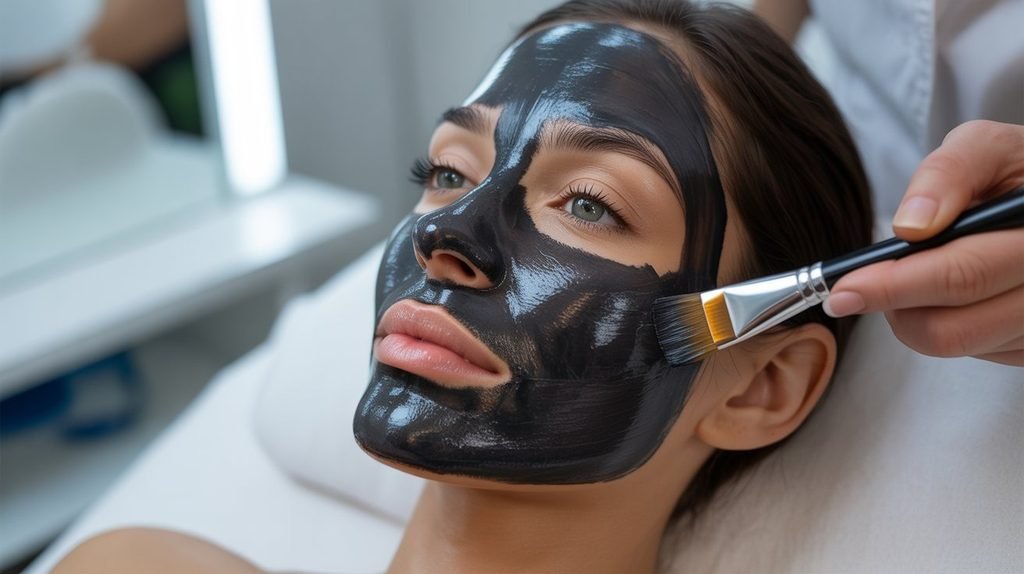
A typical session follows four stages. First, the skin is cleansed and assessed to remove surface oil. Second, a thin, even layer of carbon paste is applied and left to settle into the pores. Third, a laser is passed over the treated area, vaporizing the carbon along with trapped debris. Finally, a soothing serum and sunscreen are applied, since the skin is more light-sensitive right after. A full session typically takes around 30 to 45 minutes.
Does Carbon Facial Hurt?
Most people describe mild warmth or light tingling as the laser passes over the carbon layer, rather than pain. No numbing cream or injections are involved, and the sensation fades as soon as the laser pass is complete.
How Much Downtime Does Carbon Facial Have?
Downtime is minimal. Some patients notice light redness for a few hours, similar to mild sun exposure, but most return to work the same day. Sun protection is generally advised after treatment, since freshly treated skin is more reactive to UV exposure.
Are There Any Side Effects of Carbon Facial?
Side effects are usually mild and temporary: short-lived redness, warmth, or slight tightness. Rarely, more sensitive skin types may notice temporary dryness or flaking. Because a laser is involved, the treatment should only be performed under proper medical supervision so that settings are matched to your skin type.
Who Is a Good Candidate for Carbon Facial for Oily Skin?
Good candidates generally have oily or combination skin with visible pores, surface dullness, mild acne, or occasional blackheads and want a low-downtime option rather than a more intensive resurfacing procedure. It also suits people preparing for an event who want a low-downtime treatment with minimal visible peeling. A short consultation before your first session is the most reliable way to confirm the fit.
Who Should Avoid or Postpone Carbon Facial?
This treatment is not advisable for everyone at every point in time. You may need to postpone it if you have:
- Active cold sores, open wounds, or infected skin in the treatment area.
- Recent use of oral isotretinoin within the last six months, without medical clearance.
- Sunburned or freshly waxed, irritated skin.
- Active, inflamed rosacea or eczema flare-ups.
- Pregnancy, where any laser-based treatment should proceed only after consulting your doctor.
Mention any of these during your consultation so the plan can be adjusted or postponed as needed.
How Many Carbon Facial Sessions Are Needed?
Most people notice a visible difference after a single session, particularly in oil control and brightness. For lasting improvement in pore appearance and tone, a course of around four to five sessions, spaced roughly one to four weeks apart, is generally recommended. Your skin doctor will confirm an exact number based on how your skin responds.
How Long Do Carbon Facial Results Last?
Results generally last a few weeks and vary with your skin’s oil production, environmental exposure, and home skincare routine. Since the treatment manages symptoms of oily, congested skin rather than changing the skin type itself, periodic maintenance sessions are typically needed to sustain the improvement.
Carbon Facial Aftercare for Oily Skin
Good aftercare protects your results and reduces irritation. Use a gentle, non-stripping cleanser for the first few days, avoid strong actives such as retinoids or exfoliating acids for at least 48 hours, and apply sunscreen daily, since treated skin is more sensitive to UV exposure. Avoid touching or picking at the skin, keep makeup light for the first day, and stay consistent with an oil-balancing routine at home between sessions.
Carbon Laser Peel Pune: How to Choose a Clinic
Not every clinic offering a carbon laser peel in Pune follows the same standards. Before booking, check whether the treatment is planned and supervised by a qualified skin doctor rather than an unsupervised technician, whether the equipment used is medical-grade, and whether single-use application tools are used for hygiene. It is also worth asking whether pricing and the expected number of sessions are explained upfront, since this is often a sign of how a genuinely reliable best carbon peel clinic in Pune operates rather than one that oversells results.
Why Choose Arnica Clinic for Carbon Facial in Pune?
Arnica Clinic offers carbon peel treatment in Pune under the direct supervision of Dr. Shraddha Kavathekar, who holds a postgraduate qualification in clinical cosmetology and has over eight years of experience in aesthetic and dermatological care. Every session begins with a skin assessment rather than a fixed, one-size-fits-all package, so the carbon strength and laser settings are matched to your oil levels, sensitivity, and skin concerns. The clinic follows strict hygiene protocols, including single-use application tools for every patient, and pricing, along with the expected number of sessions, is discussed and confirmed before treatment begins. This doctor-led, transparent approach is why patients often consider it among the best carbon peel clinic options in Pune, rather than simply the lowest-priced one in the city.
Carbon Facial vs Other Treatments for Oily Skin
| Treatment | Main Focus | Downtime |
|---|---|---|
| Carbon Facial | Oil control, mild exfoliation, brightening | Minimal, a few hours of light redness |
| Chemical Peel | Deeper exfoliation, tone and texture | Days of visible peeling, depending on depth |
| HydraFacial | Hydration with gentle exfoliation | None to minimal |
| Microneedling | Texture, scarring, collagen stimulation | Two to four days of redness |
If oil control, mild brightening, and low downtime matter most, this option is usually a more comfortable starting point compared with a deeper chemical peel or microneedling.
FAQs
Is a carbon facial good for oily skin?
Yes, it is generally well-suited to oily and combination skin dealing with visible pores, dullness, and occasional congestion, since it targets oil and debris sitting inside the pores.
Can a carbon facial remove pigmentation?
No. It can help with surface dullness and mild unevenness caused by oil and dead skin buildup, but it does not remove all forms of pigmentation. Persistent pigmentation needs its cause identified by a skin doctor first.
How many sessions are needed for oily skin?
Most people are advised a course of around four to five sessions, spaced one to four weeks apart, though your skin doctor will confirm this based on how your skin responds.
Does a carbon facial fix open pores permanently?
No treatment permanently changes pore structure. It reduces what is stretching the pore visually, such as trapped oil and debris, and the results need to be maintained with periodic sessions.
Is a carbon facial painful?
No, most people feel mild warmth or tingling during the laser pass rather than pain, and no numbing or injections are required.
How is it different from a chemical peel?
A carbon facial uses a carbon paste and a laser to target oil and debris with minimal downtime, while a chemical peel uses an acid solution and can involve several days of visible peeling depending on its depth.
How long do Carbon Facial results last?
Results can vary depending on skin type, oil production, skincare routine, sun exposure and the number of treatments received. A consultation can help set realistic expectations.
Can I get a Carbon Facial if I have acne?
A carbon laser peel may be considered for some people with acne-prone or oily skin, but suitability depends on the type and severity of acne and the individual’s overall skin condition.
Conclusion
Oily skin, visible pores, and a dull or uneven complexion often show up together, and this treatment is built to address exactly that combination in one low-downtime session. It offers genuine benefits for oil control, pore appearance, and surface brightness, but it works within limits, particularly around pigmentation, where the cause needs to be identified before any treatment is chosen. If this combination of concerns sounds familiar, a consultation at Arnica Clinic can confirm whether a carbon facial for oily skin fits your needs or whether a different approach would serve you better.
Book a skin consultation at Arnica Clinic today to find out if this treatment is right for you.
Book NowMedical Disclaimer: This article is for general informational purposes only and is not a substitute for professional medical advice, diagnosis, or treatment. Skin concerns, including pigmentation, acne, and oiliness, vary by individual and should be evaluated in person by a qualified skin doctor before starting any treatment. Always consult a certified dermatologist or cosmetologist to determine the most suitable option for your specific skin condition.