
You have just had your hair transplant, or you are a few days away from one. And then a very practical question hits you: what about my helmet?
For daily commuters, motorcycle riders, cyclists, or anyone who wears a helmet as part of their job or sport, this is not a minor inconvenience. It is a real concern. And getting it wrong can cost you the very grafts you just paid to have placed.
Proper hair transplant aftercare is what separates a successful, natural-looking result from one that falls short of expectations. In the first days and weeks after surgery, your newly implanted grafts are fragile, loosely anchored, and highly sensitive to pressure, friction, and heat. A helmet placed too early, or worn too tightly, can displace grafts, restrict blood flow to the scalp, or introduce infection risk.
This guide gives you clear, expert-backed answers about when you can safely resume wearing a helmet and what the hair transplant recovery timeline looks like from day one through to full healing.
Table of Contents
Why Timing Matters More Than You Think
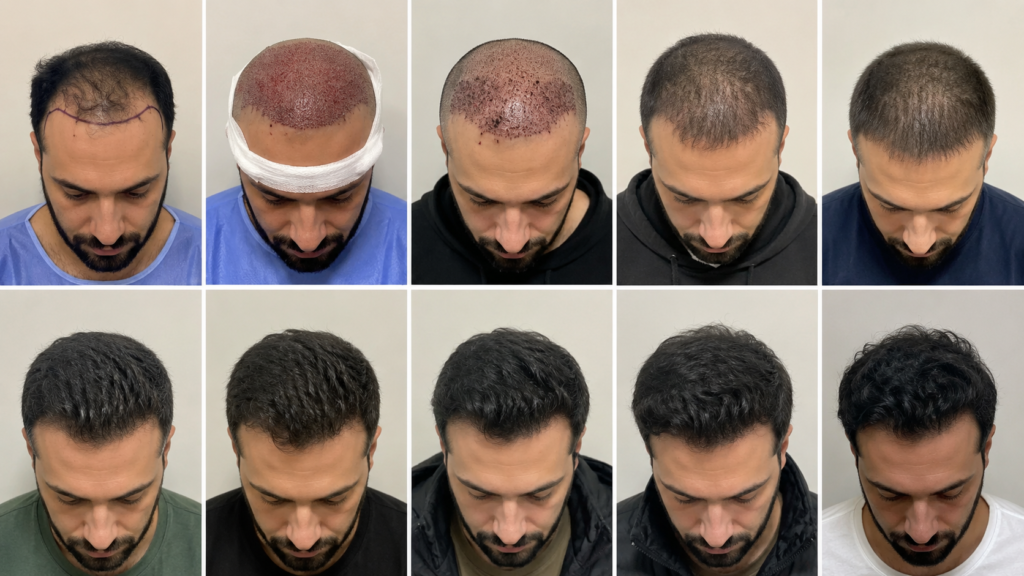
After a hair transplant, your grafts go through a very specific hair transplant healing process. In the first 72 hours, the tiny implanted follicles are held in place by nature’s own clotting mechanism, not by any suture or bonding agent. During this window, even minor friction or pressure can dislodge grafts from their placement sites.
Between days 4 and 10, scab formation occurs around each graft. These scabs are protective but still fragile. A helmet that presses against the scalp during this stage can pull scabs away prematurely, taking follicles with them or opening the skin to bacteria.
By the end of the second week, most grafts have anchored into the scalp tissue. But the skin surface is still tender, and the blood supply to newly placed follicles is still establishing. Sustained pressure from tight headgear remains a risk.
Timeline: When Can You Wear a Helmet?
Use this timeline as a general guide. Always follow the specific instructions given by your own surgeon, as individual healing rates vary.
| Recovery Period | Helmet / Headgear Guideline |
| First 3 Days | Avoid all headgear completely. Grafts are freshly implanted and highly vulnerable to any pressure or friction. |
| Days 4 to 7 | Grafts remain sensitive. Continue avoiding all caps, helmets, and tight coverings. |
| Days 7 to 10 | A loose, soft cap may be allowed only with your surgeon’s explicit approval. No helmets yet. |
| After 2 Weeks | Light helmet usage may become possible for very short durations. Always consult your doctor first. |
| After 1 Month | Most patients can wear helmets normally. Confirm with your surgeon based on your individual healing progress. |
⚠️ Important: Recovery varies by patient and surgeon advice. This timeline is a general framework only. Your doctor’s specific instructions always take priority.
Risks of Wearing a Helmet Too Early
Many patients underestimate what happens when headgear is introduced too soon. These are the real consequences of not following hair transplant recovery tips carefully.
- Graft displacement: Even a slightly tight helmet can pull a freshly implanted graft out during the first week. Once displaced, that follicle cannot be re-implanted in the same session.
- Restricted scalp circulation: Good blood flow is essential for graft survival in the early weeks. A tight band of material around the head compresses blood vessels and slows the delivery of nutrients to healing follicles.
- Moisture and bacterial build-up: Helmets trap heat and sweat against the scalp. In the first two weeks, this environment accelerates bacterial growth and can cause infection in healing graft sites.
- Friction damage: The inner lining of a helmet moves when you turn your head or adjust the fit. This friction, even gentle friction, can disturb grafts during the critical first 10 days.
- Scarring and uneven results: Premature pressure can cause grafts to grow at incorrect angles or result in patches of poor density in areas where follicles were lost or damaged.
Every one of these risks is entirely preventable by simply waiting the appropriate amount of time and following your clinic’s post-op instructions.
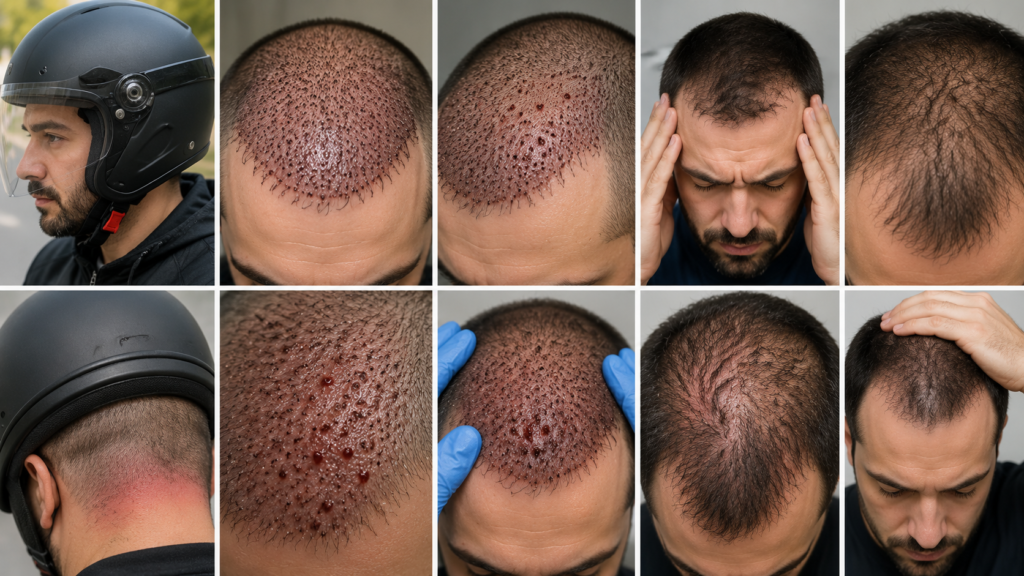
Recovery Milestones: What to Avoid and What is Safe
Here is a quick-reference breakdown of safe versus unsafe activities at each stage of your recovery:
| Recovery Stage | What to Avoid | What is safe? |
| Days 1 to 3 | Helmet, cap, scarf, or any headgear | Resting with head elevated, gentle care |
| Week 1 | Tight cap, direct sun exposure, and itching of the scalp | Loose protection if the surgeon approves |
| Week 2 | Heavy pressure, vigorous activity, rubbing | Short, gentle rides with a loose helmet |
| Week 3 to 4 | Intense sport helmets, extended pressure sessions | Regular daily activities, light outdoor movement |
| Month 1 Plus | Any activity without surgeon clearance after ongoing assessment | Normal helmet use once confirmed by your doctor |
Expert Advice: What Our Surgeons Recommend
Doctor’s Tip — From the Specialists at Arnica Clinic
“The most common mistake we see is patients resuming normal activities too quickly because they feel fine. Feeling fine does not mean your grafts have anchored. The scalp heals from the inside out. Give it the time it needs, and your results will reflect that care.”
If you must wear a helmet for work or safety reasons within the first two weeks, speak to your surgeon immediately. There may be interim solutions, such as a soft cotton liner or a modified wearing schedule, that reduce contact pressure while keeping you protected. Never make this decision on your own without medical guidance.
Practical Hair Transplant Recovery Tips for Helmet Users
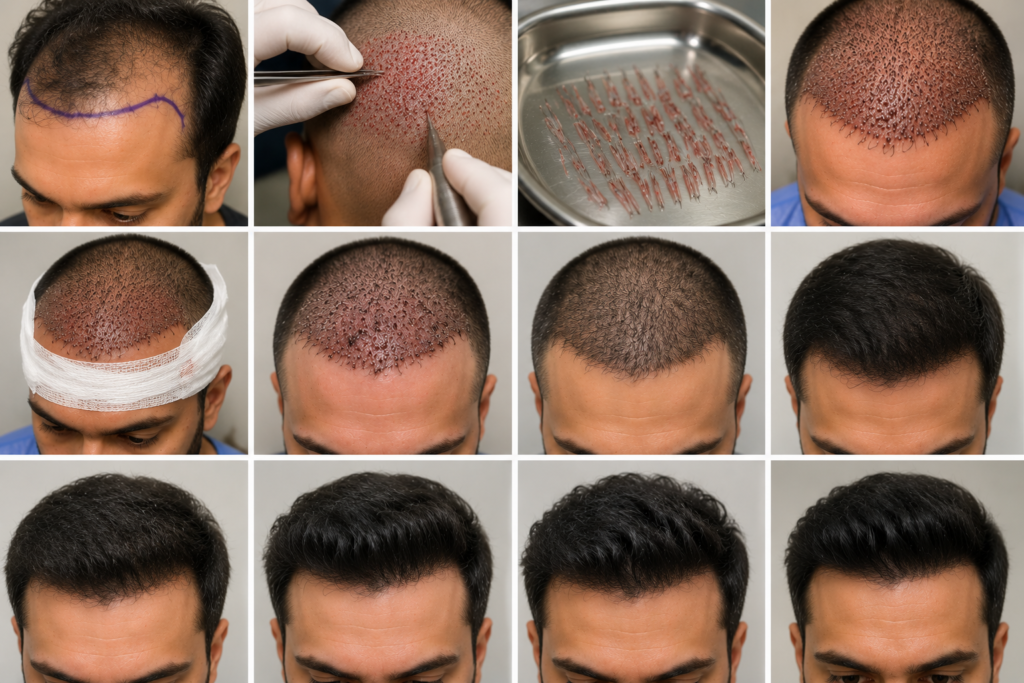
If you ride daily and are planning a hair transplant in Pune, timing your surgery around a period when you can take at least 2 to 3 weeks off from riding will make your recovery significantly smoother.
Here are some practical steps to protect your grafts during recovery:
- Use a soft cotton cap as a transition: Once your surgeon approves, a loose cotton cap worn briefly helps your scalp adapt to covering before you move to a helmet.
- Choose a well-ventilated helmet: When you do resume wearing one, opt for a helmet with good airflow. This reduces heat and moisture build-up on the healing scalp.
- Line the inside of your helmet: A clean, soft cloth liner placed inside your helmet reduces direct contact between the hard shell and your scalp during early return-to-use.
- Keep rides short initially: Start with journeys of 10 to 15 minutes during week 2 or beyond, then gradually increase duration as your surgeon confirms healing progress.
- Wash your scalp gently after every ride: Once cleared by your surgeon, use a gentle, prescribed shampoo after each helmet session to remove sweat and prevent bacterial build-up.
Following these steps, alongside the broader guidance from a trusted hair transplant clinic in Pune, significantly improves your chances of a clean, full recovery.
Signs You Should Contact Your Clinic Immediately
Even with careful aftercare, complications can occasionally arise. Contact your hair restoration clinic Pune straight away if you notice any of the following during your recovery:
- Unusual or excessive swelling that does not reduce after day 3
- Pus, discharge, or an unpleasant smell coming from graft sites
- Fever above 38 degrees Celsius in the days following surgery
- Suddenly, widespread graft shedding accompanied by scalp redness
- Persistent numbness or tingling on the scalp beyond the second week
These symptoms are not common, but catching them early makes a significant difference to the final outcome. The team at a good, best hair transplant clinic in Pune will always prefer that you reach out with a concern, even if it turns out to be nothing.
Frequently Asked Questions (FAQs) Hair Transplant Aftercare
Can I wear a hat after a hair transplant in the first week?
Wear a hat after a hair transplant in the first 7 days only if your surgeon explicitly approves it and it is a very loose, soft cap with no inner lining pressure on the graft area.
How long does the full hair transplant recovery timeline take?
The hair transplant recovery timeline runs from 10 to 14 days for initial healing, with full graft anchoring by month one and final results visible at 10 to 12 months post-surgery.
What are the most important hair transplant aftercare steps in the first week?
Hair transplant aftercare in the first week includes avoiding all pressure on the scalp, sleeping with the head elevated, using only surgeon-prescribed products, and staying out of direct sunlight.
Is the hair transplant healing process the same for FUE and FUT?
The hair transplant healing is broadly similar for both techniques, though FUE typically involves less scalp tightness and a slightly faster surface recovery due to the absence of a linear incision.
When can I resume riding my motorcycle after a hair transplant in Pune?
Most patients who have had ahair transplant in Pune can resume short motorcycle rides from week 2 onward with a loose-fitting helmet, subject to individual surgeon clearance.
Planning Your Hair Transplant Treatment in Pune?
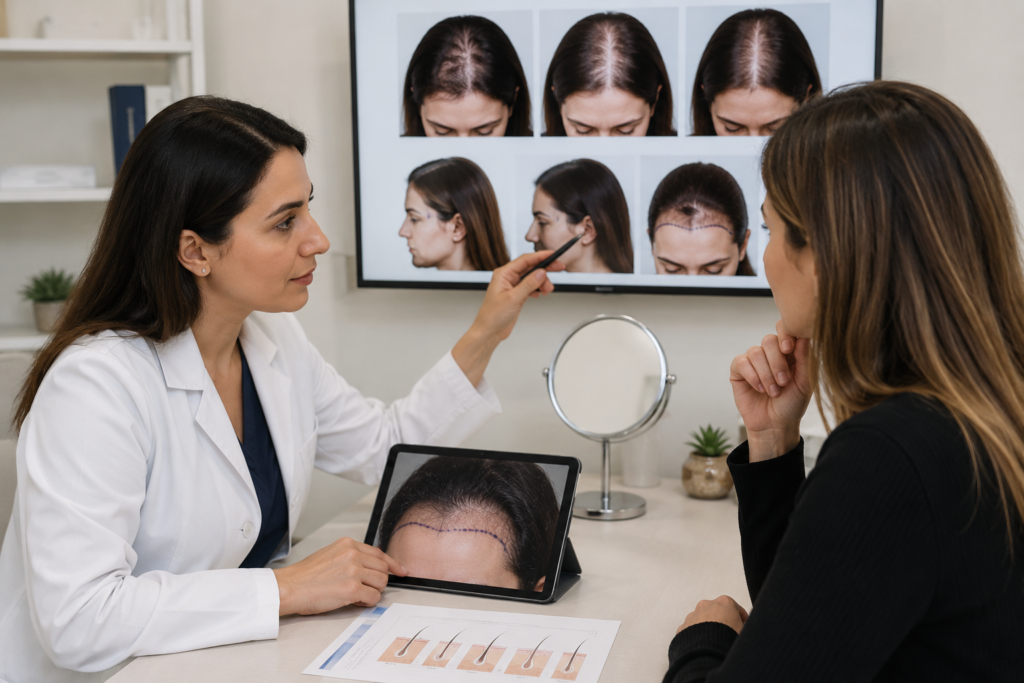
Recovery guidance is not something that should be figured out after the surgery. It should be part of the conversation from your very first consultation.
At Arnica Clinic, every patient receives a personalized post-operative care plan before they leave the clinic on surgery day. This includes written instructions, a follow-up schedule, and direct access to the care team for any concerns that come up during the hair transplant healing process.
Whether you are a daily rider, a sportsperson, or someone who simply wants to plan their hair transplant treatment Pune recovery around real life, the team at Arnica Clinic takes the time to address your specific lifestyle before, during, and after the procedure. Visit Arnica Clinic to book your consultation.
Disclaimer Note
| This article is written for general informational purposes only and is not a substitute for professional medical advice. All timelines and recovery guidance mentioned here are general estimates. Individual recovery varies based on the technique used, the number of grafts, scalp health, age, and other personal health factors. Always follow the specific post-operative instructions provided by your operating surgeon. If you experience any unexpected symptoms during recovery, contact your clinic immediately. |