
Hair thinning is one of those things that creeps up on you slowly until one day you are staring at your hairline in the mirror, wondering what happened. If you have been searching for the right hair regrowth treatment Pune has to offer, you have probably come across two big options: PRP therapy and hair transplant surgery. Both are effective, but they are not meant for the same stage of hair loss. Understanding the difference between them can save you both time and money, and more importantly, help you get results that actually last.
Most people make the mistake of jumping straight to a hair transplant when they first notice thinning. On the other hand, some wait too long with PRP therapy when their follicles have already stopped responding. Neither extreme works in your favour. This guide breaks it all down in plain language so you can walk into a dermatologist’s clinic already knowing where you stand.
Table of Contents
Understanding the Norwood Scale: Your Hair Loss Stage Matters
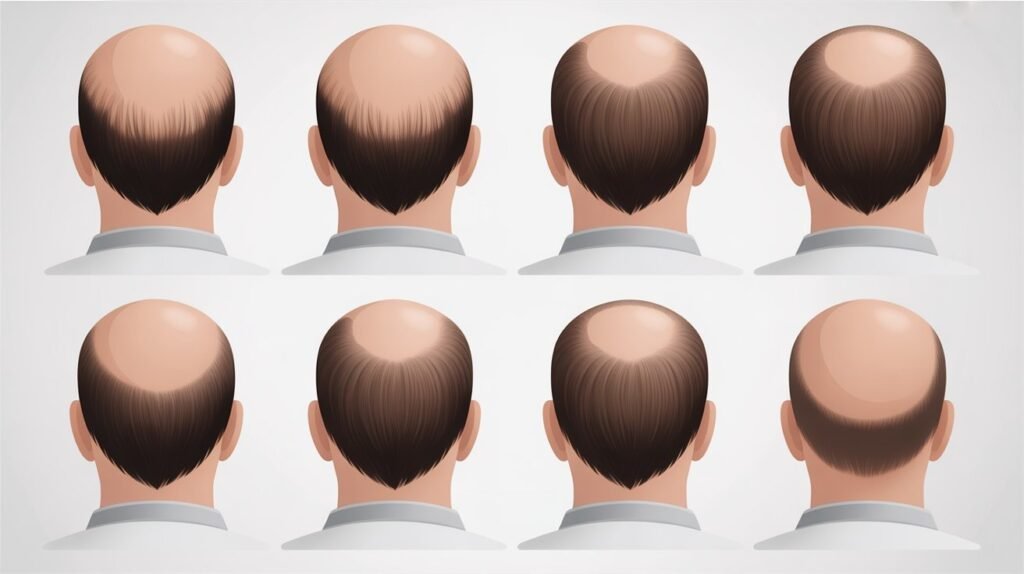
Before comparing treatments, it helps to understand how hair loss is measured. Doctors use the Norwood-Hamilton Scale for men (Stages 1 to 7) and the Ludwig Scale for women (Stages 1 to 3). These scales tell you exactly how much follicle activity is still present in the thinning areas.
Here is the basic truth: PRP works best when follicles are still alive but just miniaturised. A hair transplant works best when there is a stable donor area and the progression of loss has slowed or stabilised. Knowing your stage helps your doctor choose the right path.
Quick Breakdown by Stage
• Stages 1 to 2: Early thinning, minimal recession. PRP is highly effective here.
• Stages 3 to 4: Moderate thinning. PRP combined with medications can work well.
• Stage 5: Significant thinning. PRP may slow loss; transplant evaluation begins.
• Stages 6 to 7: Advanced loss. Hair transplant in Pune is typically the primary solution.
What Is PRP Therapy for Hair Regrowth and How Does It Work?
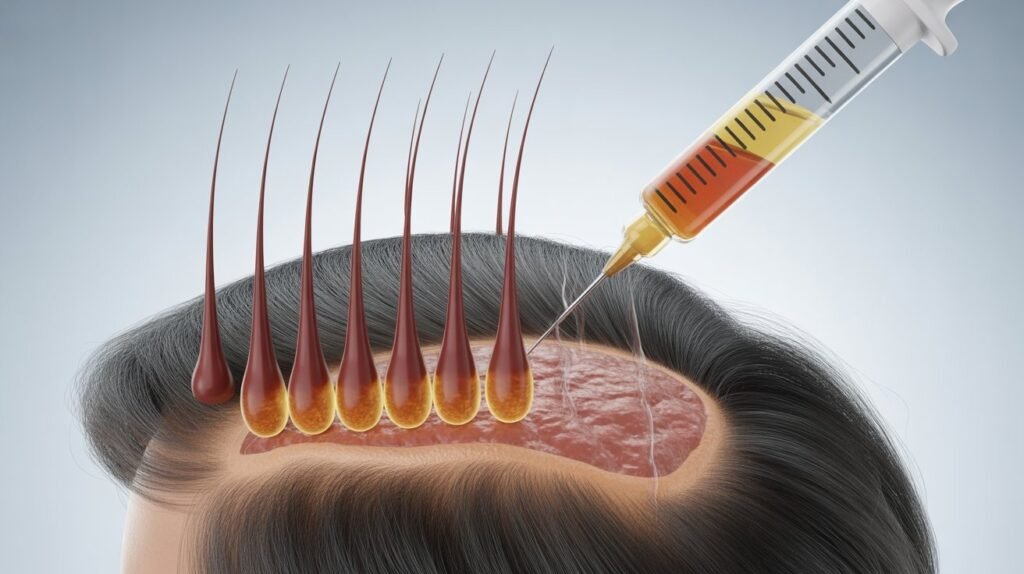
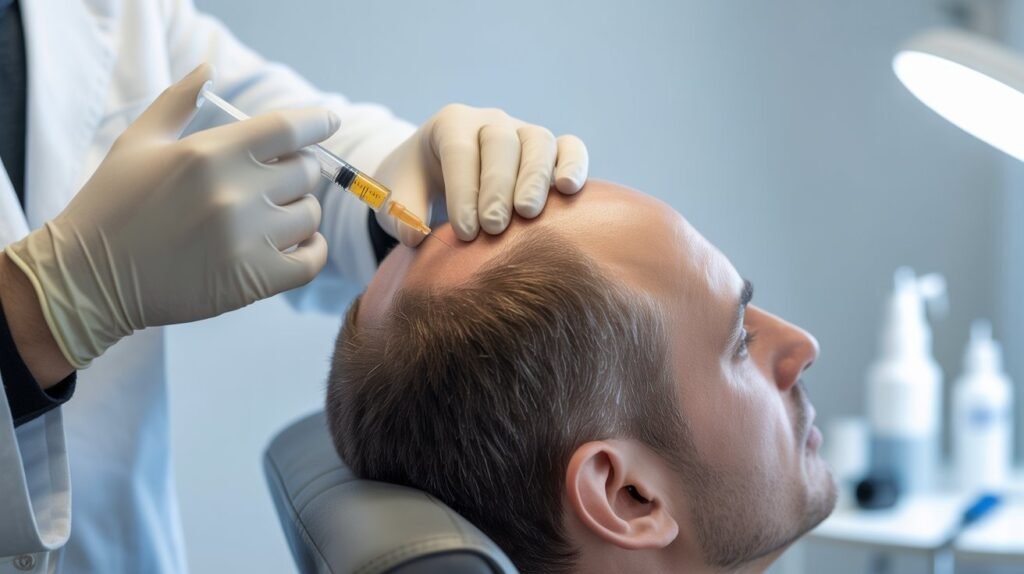
PRP stands for Platelet-Rich Plasma. The treatment involves drawing a small amount of your own blood, spinning it in a centrifuge to isolate the platelets, and injecting the concentrated plasma directly into the scalp. These platelets carry growth factors that stimulate the existing hair follicles to grow stronger, thicker, and faster.
The science is solid. Growth factors like PDGF, VEGF, and EGF present in PRP play a direct role in the hair growth cycle. Multiple studies have shown visible improvement in hair density after 3 to 6 sessions spaced about 4 weeks apart.
PRP for Hair Loss Effectiveness: What Research Shows
Clinical data consistently support PRP for hair loss effectiveness in patients with androgenetic alopecia (pattern baldness) and alopecia areata. One study published in the Journal of Cutaneous and Aesthetic Surgery found a statistically significant increase in hair density and thickness after just 4 sessions.
However, PRP has its limits. It works best when living follicles are present. Once a follicle has been dormant for too long, no amount of growth factor stimulation can bring it back. This is where the conversation around PRP hair treatment vs hair transplant becomes critical.
Benefits of PRP therapy include:
• Non-surgical and minimally invasive
• Uses your own blood (no risk of allergic reaction)
• Zero downtime, back to work the same day
• Suitable for both men and women
• Can be combined with other hair loss treatment options
What Is a Hair Transplant and When Should You Consider One?
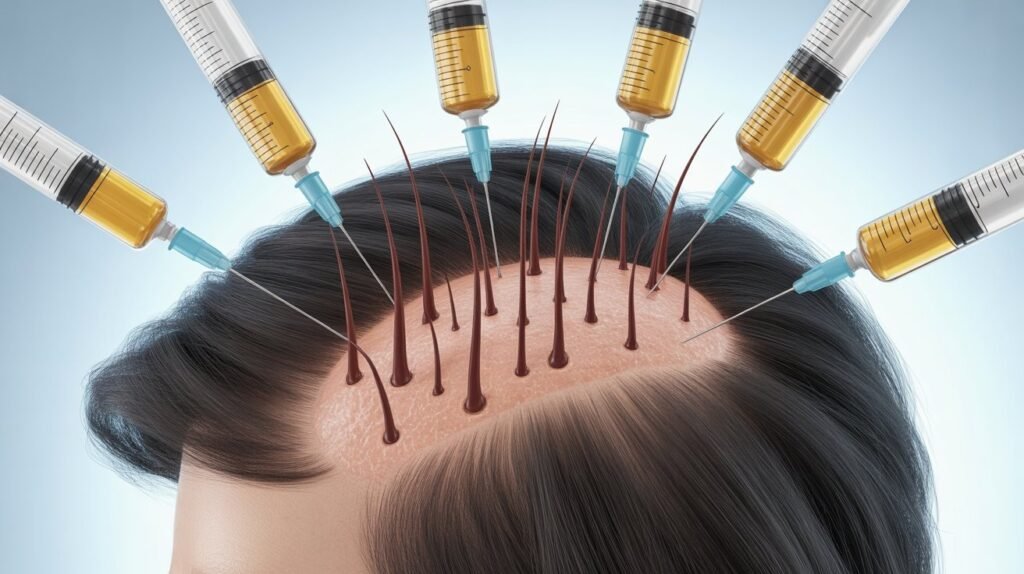
A hair transplant is a surgical procedure where healthy hair follicles are taken from the back or sides of the scalp (the donor area) and implanted into the thinning or bald regions. The two most popular techniques today are FUE (Follicular Unit Extraction) and DHI (Direct Hair Implantation).
Unlike PRP, which relies on your existing follicles being alive and responsive, a hair transplant physically relocates new follicles into areas where hair has been lost permanently. The transplanted hair grows naturally, and once it settles in (usually around the 12-month mark), it behaves just like your regular hair.
When to Get a Hair Transplant: The Right Time Makes All the Difference
Knowing when to get a hair transplant is one of the most common questions dermatologists face. Here are the key conditions that make a transplant the right choice:
• Your hair loss has stabilised for at least 1 to 2 years
• You are between the ages of 25 and 65
• You have a healthy donor area at the back and sides
• You are at Norwood Stage 3 or above, or Ludwig Stage 2 to 3
• PRP and medications have not given satisfying results over 6 to 12 months
Getting a transplant too early, especially before the loss stabilises, can mean that surrounding non-transplanted hair continues to fall out, creating an unnatural look over time.
PRP vs. Hair Transplant: Choosing the Right Hair Regrowth Treatment Pune
This is the question most people arrive at when exploring hair loss treatment options. The honest answer is that PRP and hair transplants are not competitors; they are companions at different stages of a hair loss journey.
| Factor | PRP Therapy | Hair Transplant |
| Best for the stage | Stages 1-4 | Stages 4-7 |
| Procedure type | Non-surgical | Surgical (FUE/DHI) |
| Sessions needed | 3-6 sessions | Usually 1 sitting |
| Downtime | None | 3-5 days |
| Results visible | 3-4 months | 9-12 months (full) |
| Permanence | Maintenance required | Permanent |
As you can see, the two treatments address fundamentally different problems. PRP therapy for hair regrowth is your first line of defence when you still have enough follicles to work with. A hair transplant becomes necessary when permanent bald patches have formed and follicles are simply no longer present.
PRP Hair Loss Treatment in Pune: Is It Worth It for You?
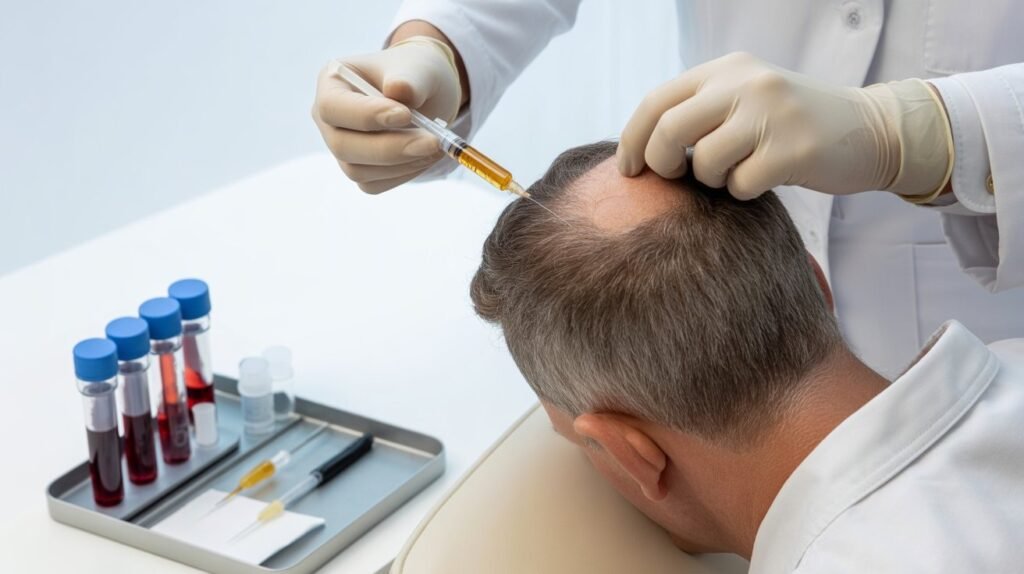
If you are at an early to moderate stage of thinning, PRP Hair Loss Treatment in Pune is genuinely one of the most cost-effective and science-backed solutions available today. It does not just slow down shedding; it actively wakes up miniaturized follicles and thickens hair shafts.
PRP is also an excellent maintenance tool after a hair transplant. Many doctors recommend starting PRP sessions 3 to 6 months post-surgery to support the survival of transplanted grafts and protect the surrounding native hair from further thinning.
Ideal candidates for PRP include:
• Men or women with early or diffuse hair thinning
• Those with a family history of pattern baldness who want early intervention
• Post-partum women experiencing hair shedding
• Anyone looking to delay or avoid surgery
Hair Transplant in Pune: What to Expect at a Quality Clinic
Choosing the right facility for your Hair transplant in Pune is as important as choosing the procedure itself. A skilled surgeon using the right technique can make the difference between a result that looks completely natural and one that does not.
At a reputable clinic, the process typically looks like this:
• Consultation: Detailed scalp analysis, blood tests, and Norwood/Ludwig grading
• Design: A hairline is designed based on your facial structure and age
• Extraction: Under local anaesthesia, follicles are harvested from the donor zone
• Implantation: Grafts are placed at precise angles to mimic natural growth
• Aftercare: Post-operative instructions, prescribed medications, and follow-ups
Most patients experience a shedding phase (called shock loss) at around 2 to 6 weeks post-surgery. This is completely normal. New growth begins at around 3 to 4 months, with full density usually visible by month 12. Choosing the best hair transplant clinic in Pune ensures proper planning, clean technique, and transparent aftercare protocols.
PRP Hair Treatment vs Hair Transplant: Common Myths Busted
Myth 1: PRP Is Just a Trend With No Real Science Behind It
False. PRP has been used in orthopaedics and wound healing for over 20 years. Its application in trichology is backed by multiple peer-reviewed studies. The PRP for hair loss effectiveness is well-documented, especially in cases of androgenetic alopecia and chronic telogen effluvium.
Myth 2: A Hair Transplant Gives You Someone Else’s Hair
Not at all. In any modern procedure, the hair follicles used are always your own, taken from a donor zone on your scalp. The transplanted hair carries your own genetic code and grows naturally for life (in most cases).
Myth 3: You Only Need One PRP Session for Results
This is a common misconception. PRP requires consistency. A standard protocol involves 3 to 6 initial sessions monthly, followed by maintenance sessions every 4 to 6 months. Results improve progressively with each session.
Myth 4: Once You Have a Hair Transplant, You Never Need PRP Again
Actually, the opposite is true. Post-transplant PRP is frequently recommended to support graft survival, reduce shedding, and protect the native (non-transplanted) hair from progressive loss.
How to Decide: A Simple Self-Assessment
Ask yourself these three questions before booking a consultation:
• Can you still see the scalp through your hair? If yes, but with thinning strands, PRP may suffice.
• Are there areas where no hair grows at all? Those follicles are likely dead. A transplant is the answer.
• Has your hair loss been stable or is it still progressing? PRP for active shedding; transplant only once loss is stable.
If you are genuinely unsure, a trichoscopy session at a qualified clinic will give you a clear picture of your follicular density and guide the right treatment decision. Exploring all hair loss treatment options with a qualified specialist before committing to any procedure is always the smartest move.
Why Choose Arnica Clinic for Your Hair Care Journey
When it comes to choosing where to receive treatment, experience, transparency, and personalised care matter more than anything else. Here is why thousands of patients across Pune trust us:
• Expert Dermatologists: Our team, led by Dr Shraddha Kavathekar and Dr Shivani Khilare (BHMS, PGDCC), brings over 8 years of combined experience in cosmetology and trichology.
• Advanced Technology: We use FDA-approved equipment for both PRP and hair transplant procedures, ensuring safe and effective outcomes.
• Customised Treatment Plans: No two scalps are the same. Every patient receives a personalised protocol based on their scalp analysis, lifestyle, and hair loss pattern.
• Transparent Pricing: No hidden costs. We provide a complete breakdown of treatment costs before you begin, with 0% No-Cost EMI options available.
• Proven Track Record: Thousands of happy patients, 5-star Google and Facebook ratings, and consistent results speak for themselves.
• Holistic Aftercare: Our support does not end when you walk out of the clinic. We provide detailed post-treatment guidance and regular follow-ups.
• Convenient Location: Easily accessible at 502, Archway Building, Sopan Baug, Balewadi, Pune 411045.
At Arnica Clinic, we believe that the best hair regrowth treatment Pune is one that is designed specifically for your stage of hair loss, not a one-size-fits-all approach. Whether you need a few rounds of PRP or are ready for a full surgical hair restoration, we are here to guide you every step of the way.
Frequently Asked Questions (FAQs)
u003cstrongu003eCan PRP completely stop hair loss?u003c/strongu003e
PRP significantly slows down progressive hair loss and improves density, but it requires regular maintenance sessions to sustain results and is not a permanent cure on its own.
u003cstrongu003eHow many PRP sessions are needed before seeing results?u003c/strongu003e
Most patients begin noticing reduced shedding and improved thickness after 3 sessions, with visible density improvement typically after 4 to 6 monthly sessions.
u003cstrongu003eIs a hair transplant painful?u003c/strongu003e
The procedure is performed under local anesthesia, so discomfort during surgery is minimal; mild soreness and swelling in the first few days post-procedure are normal and manageable.
u003cstrongu003ean women undergo both PRP and hair transplant?u003c/strongu003e
Yes, both treatments are suitable for women; PRP is particularly popular among women with diffuse thinning, while transplants are recommended for women with stable, localized hair loss.
u003cstrongu003eHow long do hair transplant results last?u003c/strongu003e
Transplanted hair follicles are genetically resistant to DHT and are considered permanent; most patients enjoy natural, lasting results for the rest of their lives with minimal maintenance.
Conclusion
Hair thinning is not a one-size-fits-all problem, and neither is the solution. PRP therapy is a powerful, non-invasive treatment for those who catch thinning early and still have living follicles to work with. A hair transplant, on the other hand, is the answer for those who have crossed into permanent hair loss and want a lasting, surgical fix.
The key takeaway is this: get assessed early. Whether you end up with a PRP plan, a transplant schedule, or a combination of both, acting before the follicles are completely gone always gives you the best possible outcome.
If you are in Pune and looking for honest, expert-led guidance, the team at Arnica Clinic is ready to assess your scalp, stage your hair loss, and build the right plan for you. Book your consultation today at arnica.co.in and take the first step toward hair that looks and feels like yours again.
Medical Disclaimer
The content in this article is intended for general informational and educational purposes only. It is not a substitute for professional medical advice, diagnosis, or treatment. Individual hair loss causes and treatment suitability vary from person to person. Always consult a qualified dermatologist or trichologist before beginning any hair loss treatment. Results of PRP therapy and hair transplant procedures may vary based on individual health conditions, scalp condition, and treatment adherence. Arnica Clinic bears no liability for decisions made based solely on the information provided in this article.